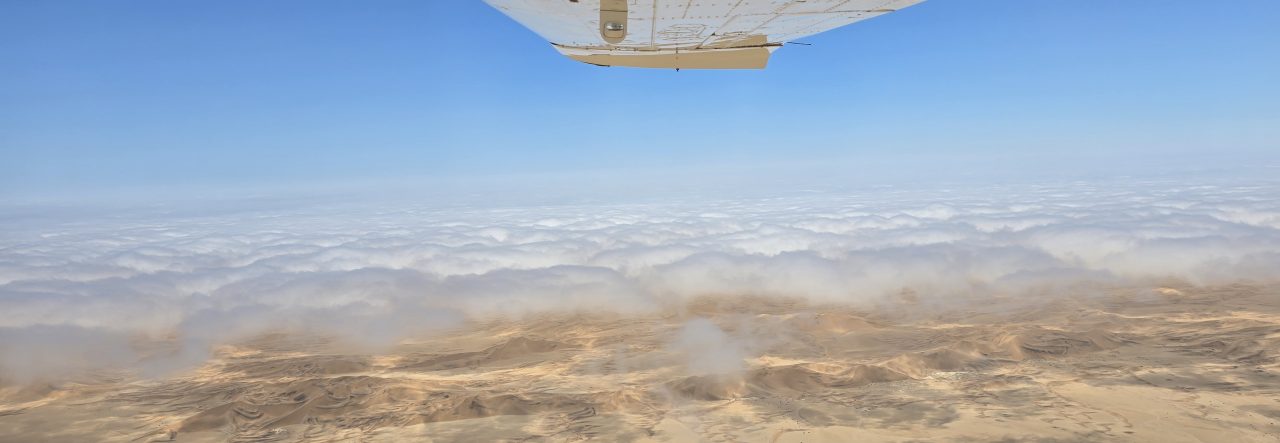
This morning, we left the buzz of Johannesburg behind and landed in Windhoek, the capital of Namibia—a country of just over 2.5 million people, where solitude stretches as far as the horizon. Windhoek, with a population of about 475,000, feels more like a big village than a bustling capital, with its calm pace, wide streets, and a blend of German colonial architecture and African culture that speaks to its layered past.
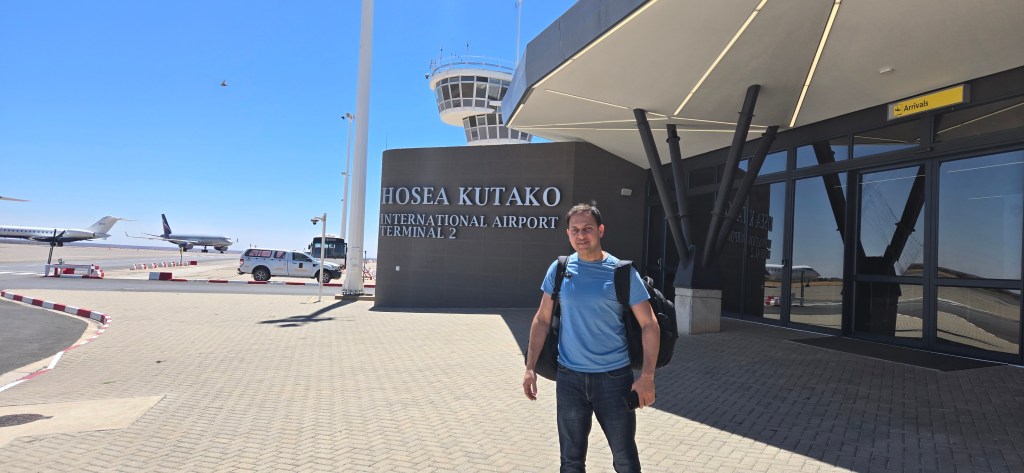
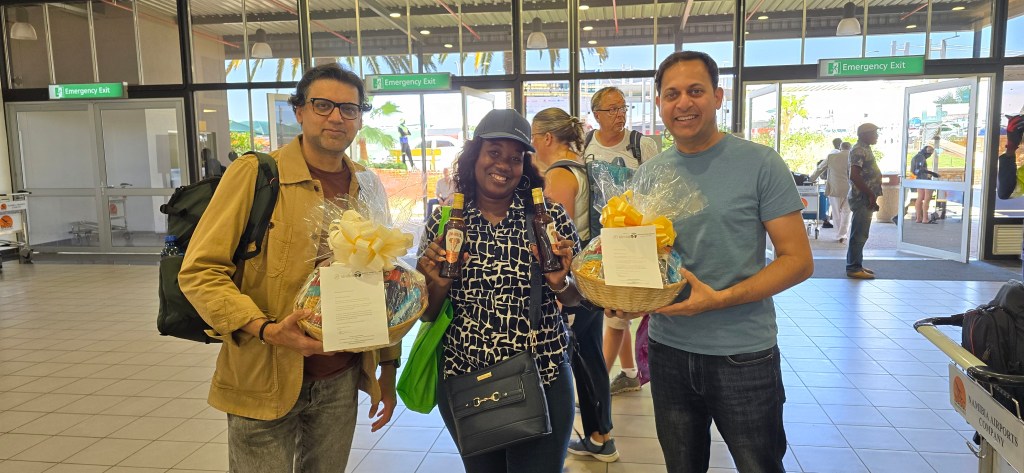
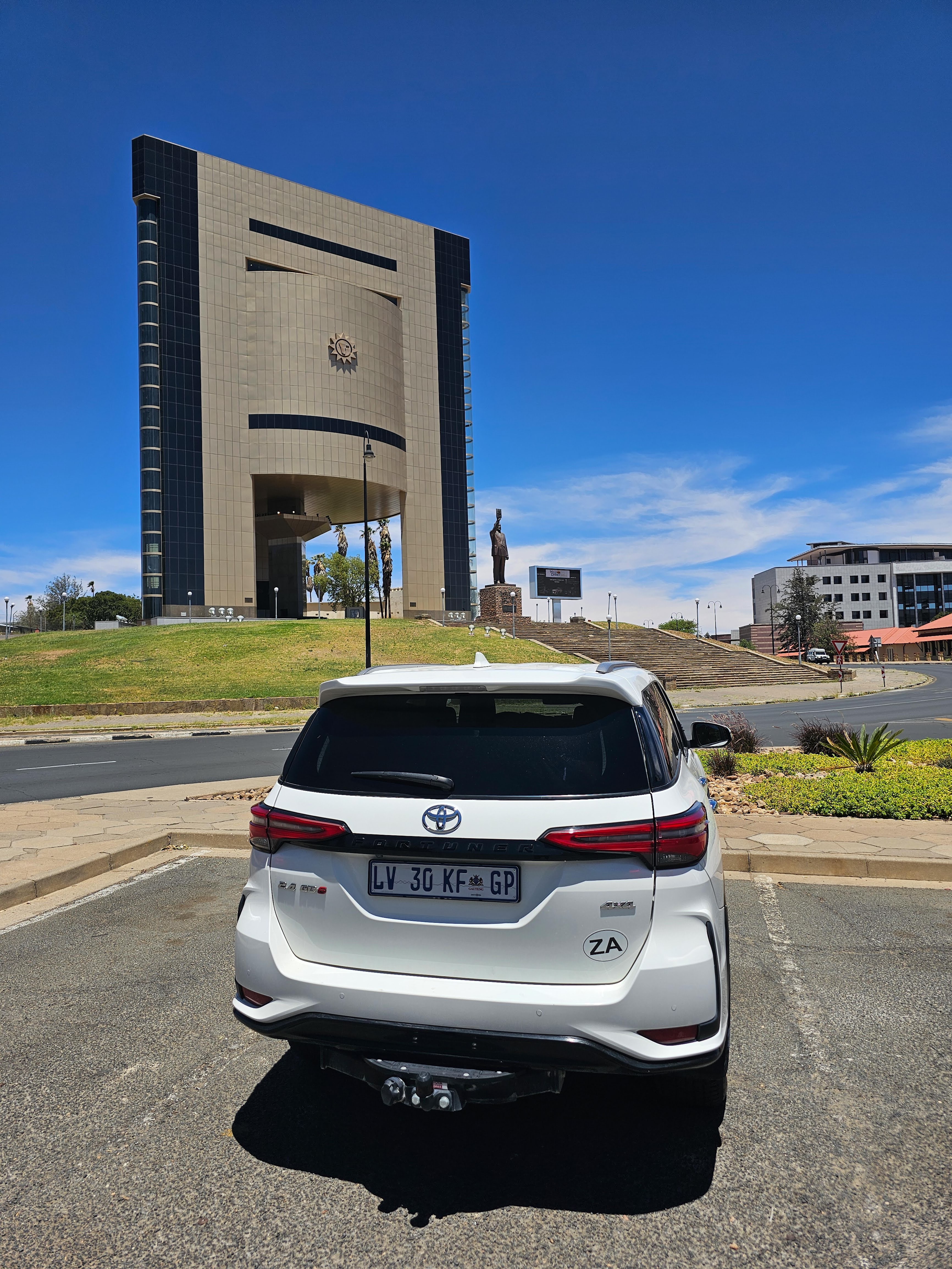
We landed at Hosea Kutako International Airport, located about 30 minutes outside the city. After grabbing our bags, we picked up our rental car, which would be our companion for the next two weeks. I offered to take the wheel—driving gives me a unique vantage point and a sense of freedom that I love. I love driving, especially through landscapes I’ve never seen before, and Namibia offers a front-row seat to some of the world’s most dramatic terrain. Nausherwan grabbed a couple of local SIM cards (data coverage is patchy outside major towns) and exchanged cash for Namibian dollars, which are conveniently 1:1 with the South African rand.
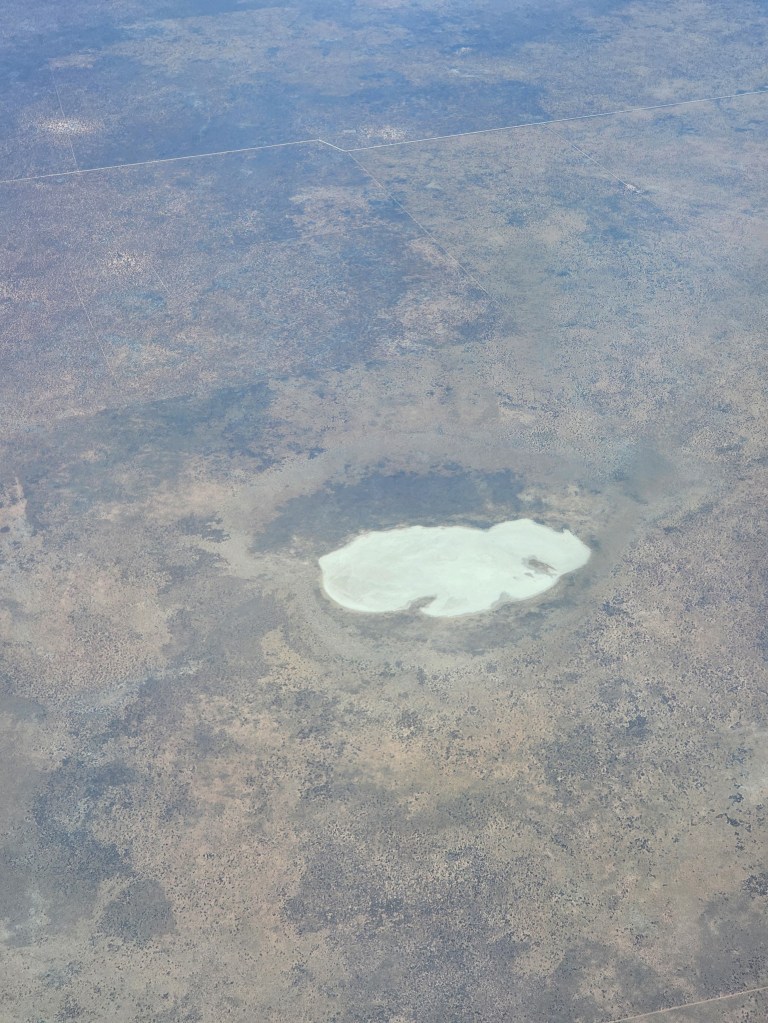
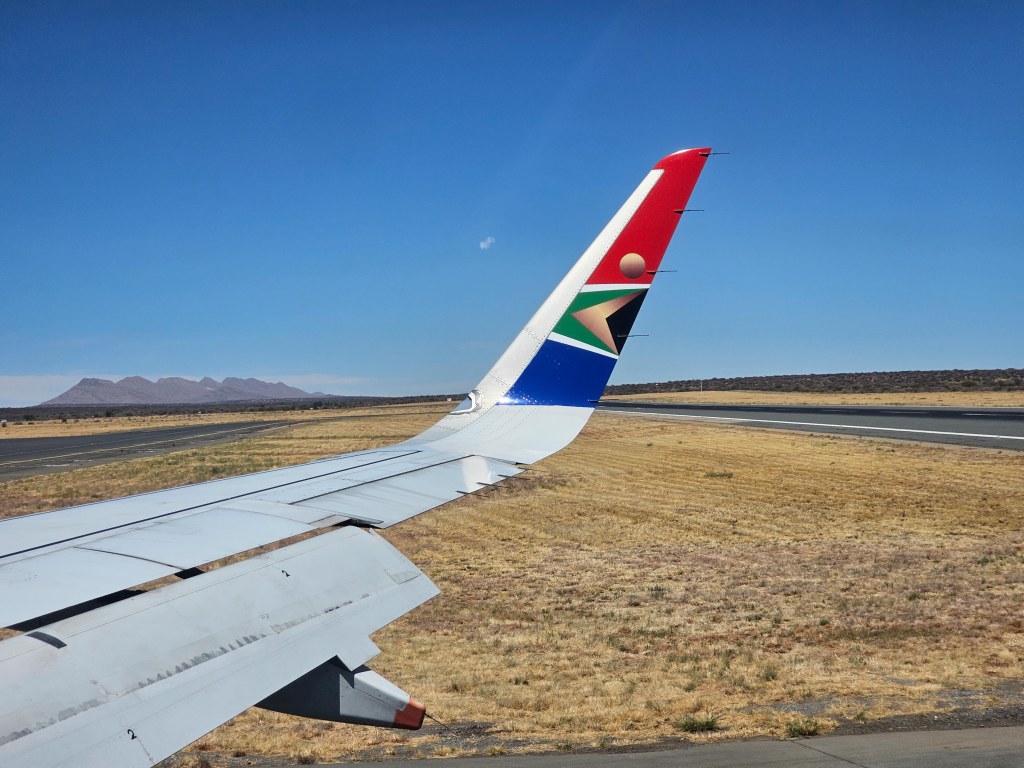
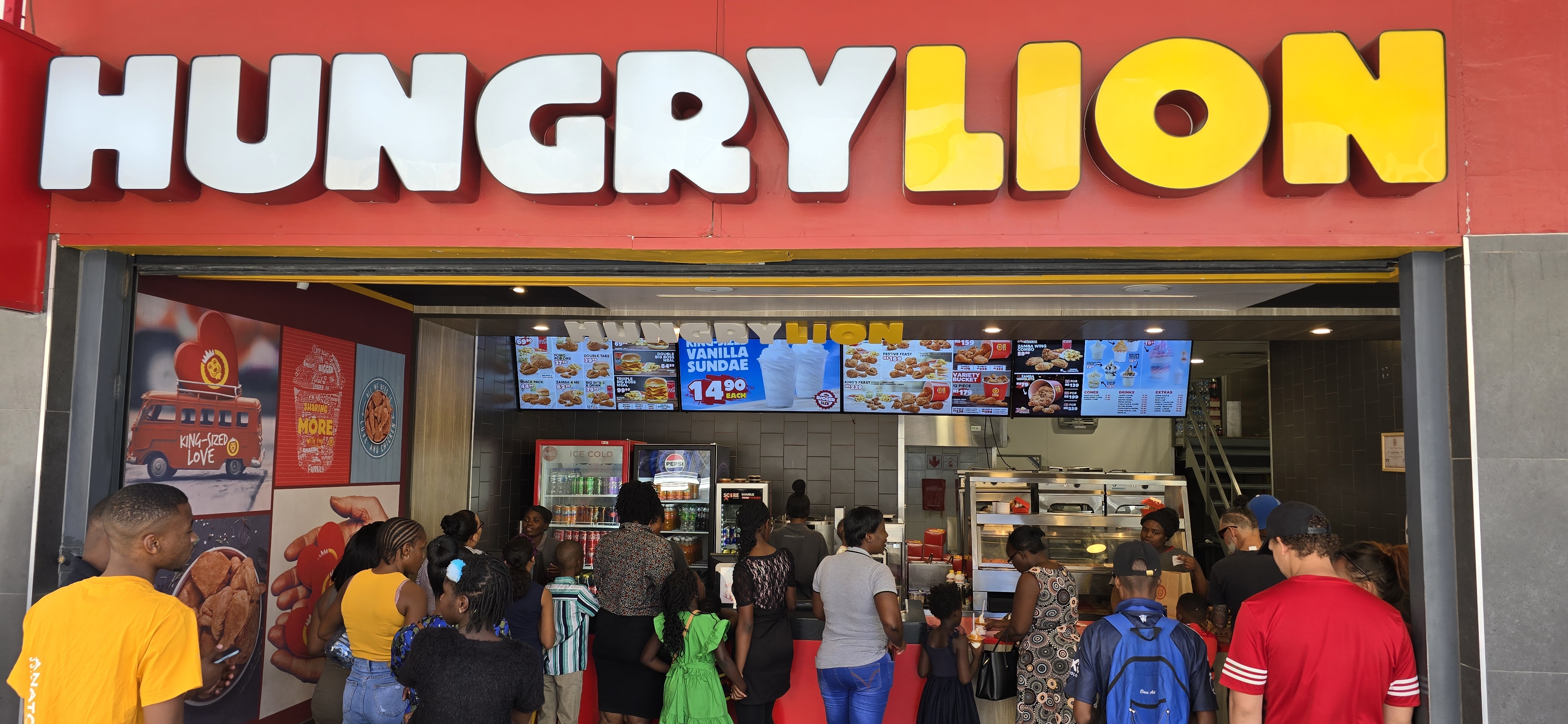
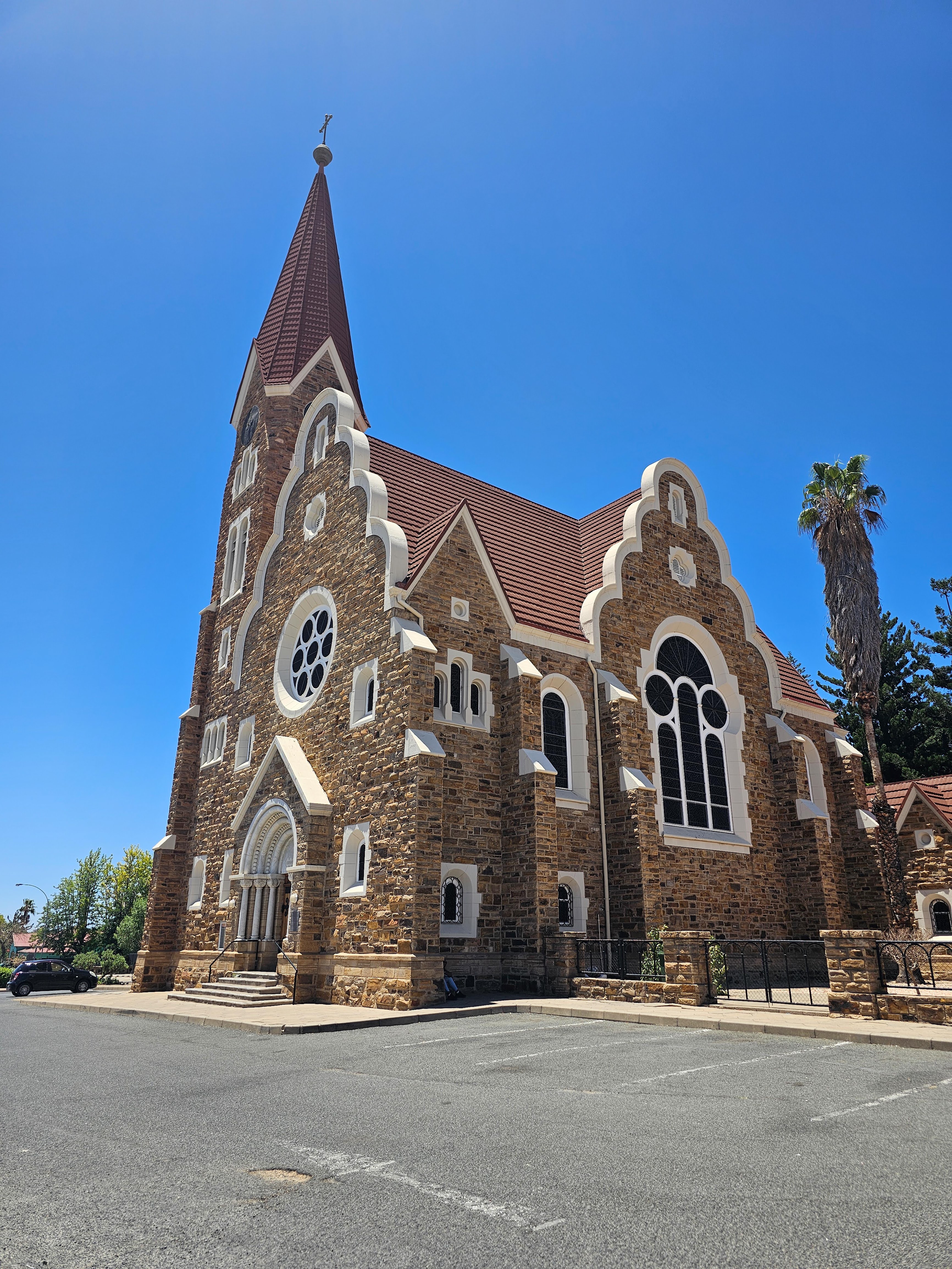
We drove into the city and had lunch at The Mighty Lion, a popular local spot with hearty portions and a buzzing lunch crowd. After a quick spin around Windhoek to take in the city’s main sights—like Christuskirche and Independence Avenue—we began the drive toward Sesriem, the gateway to Sossusvlei and the heart of the Namib Desert.
The journey to Sesriem is about 190 miles (roughly 300 kilometers) and took us around five hours, including a few scenic stops. As soon as we left Windhoek, the paved roads gave way to gravel and dirt tracks—a common theme in Namibia, where most routes are unpaved and adventure begins the moment you lose cell reception.
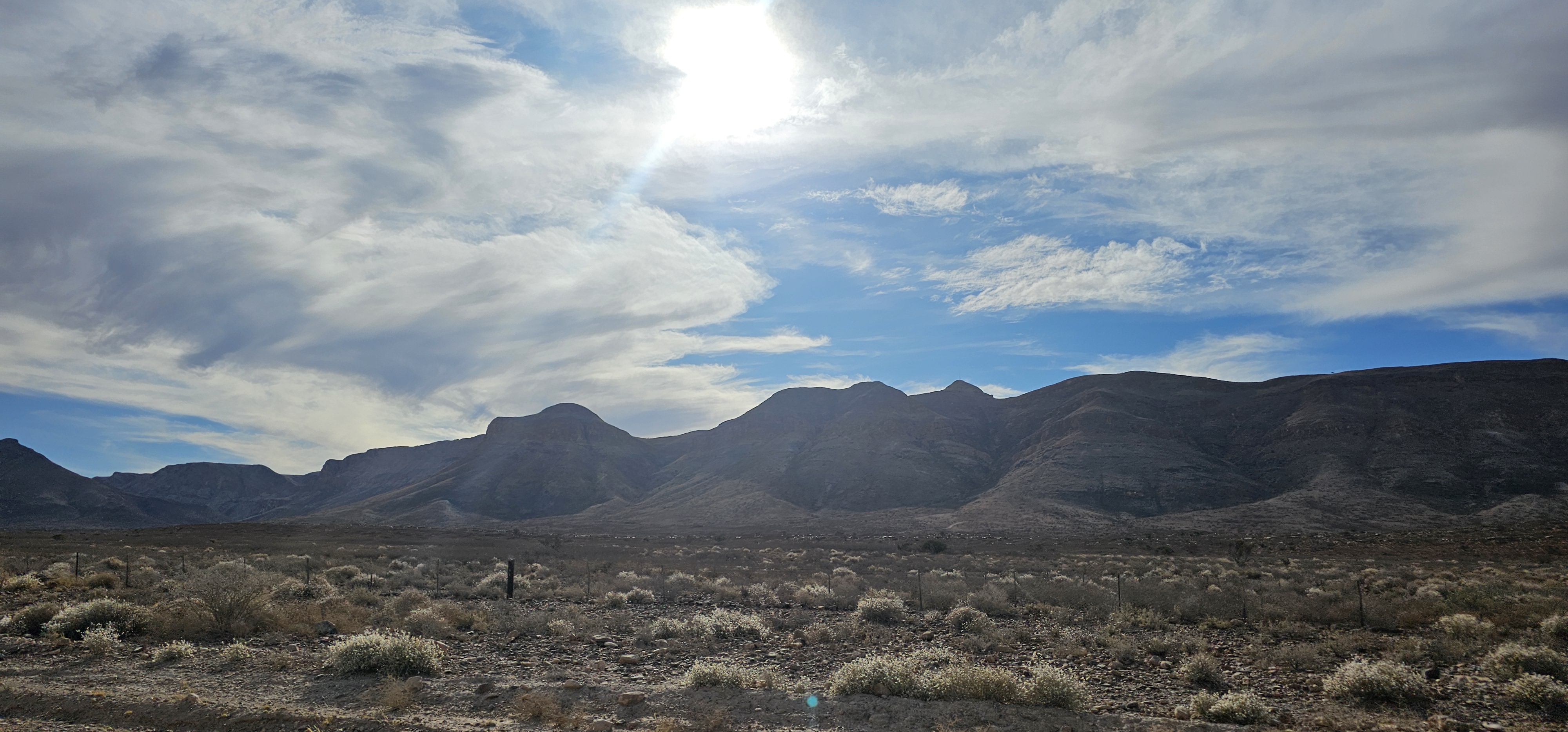
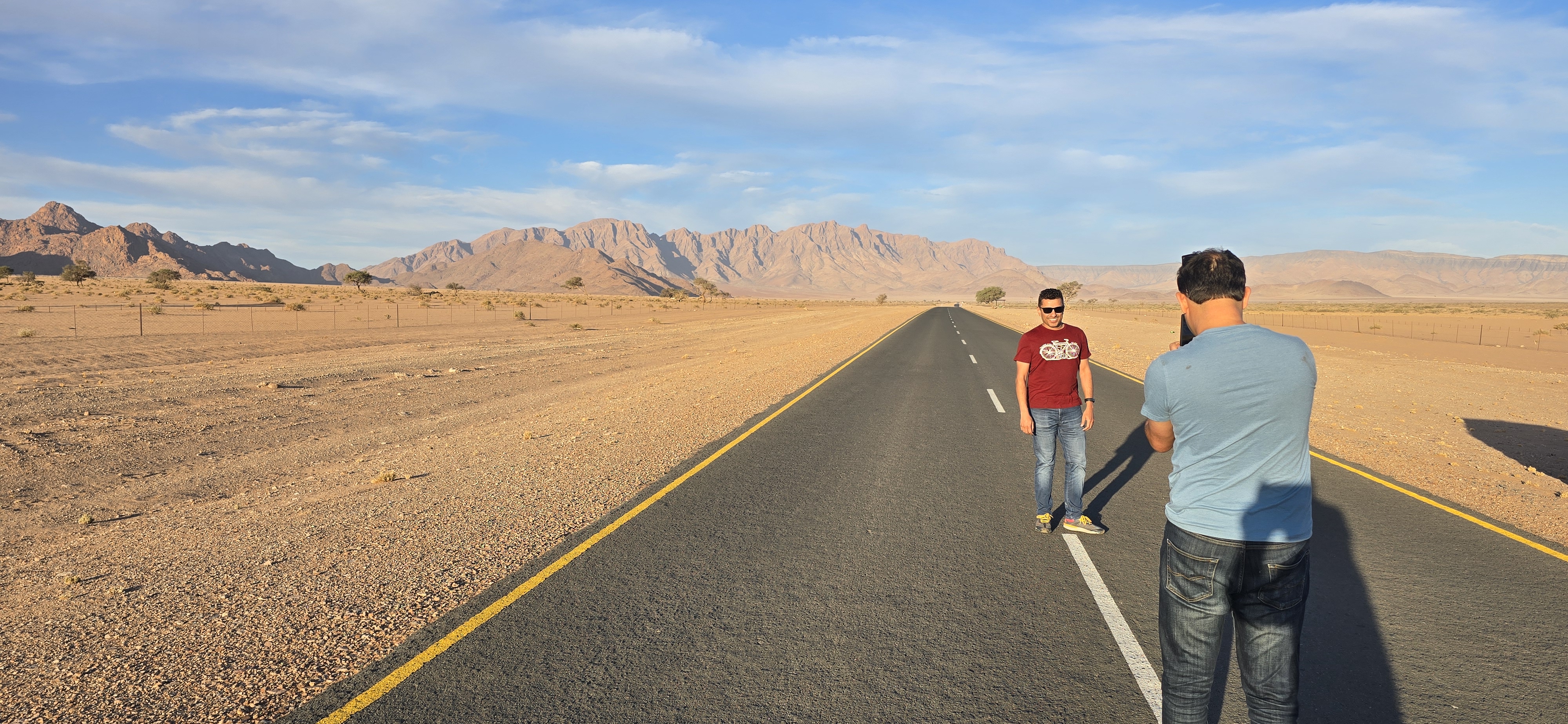
The drive was surreal. Desolate roads, with no traffic except for the occasional tourist SUV kicking up dust in the distance. The landscape slowly transformed—rugged mountains gave way to rocky plains, and red rocks eventually turned into the deep red sands that the Namib is famous for. It felt like we were driving through a dream.
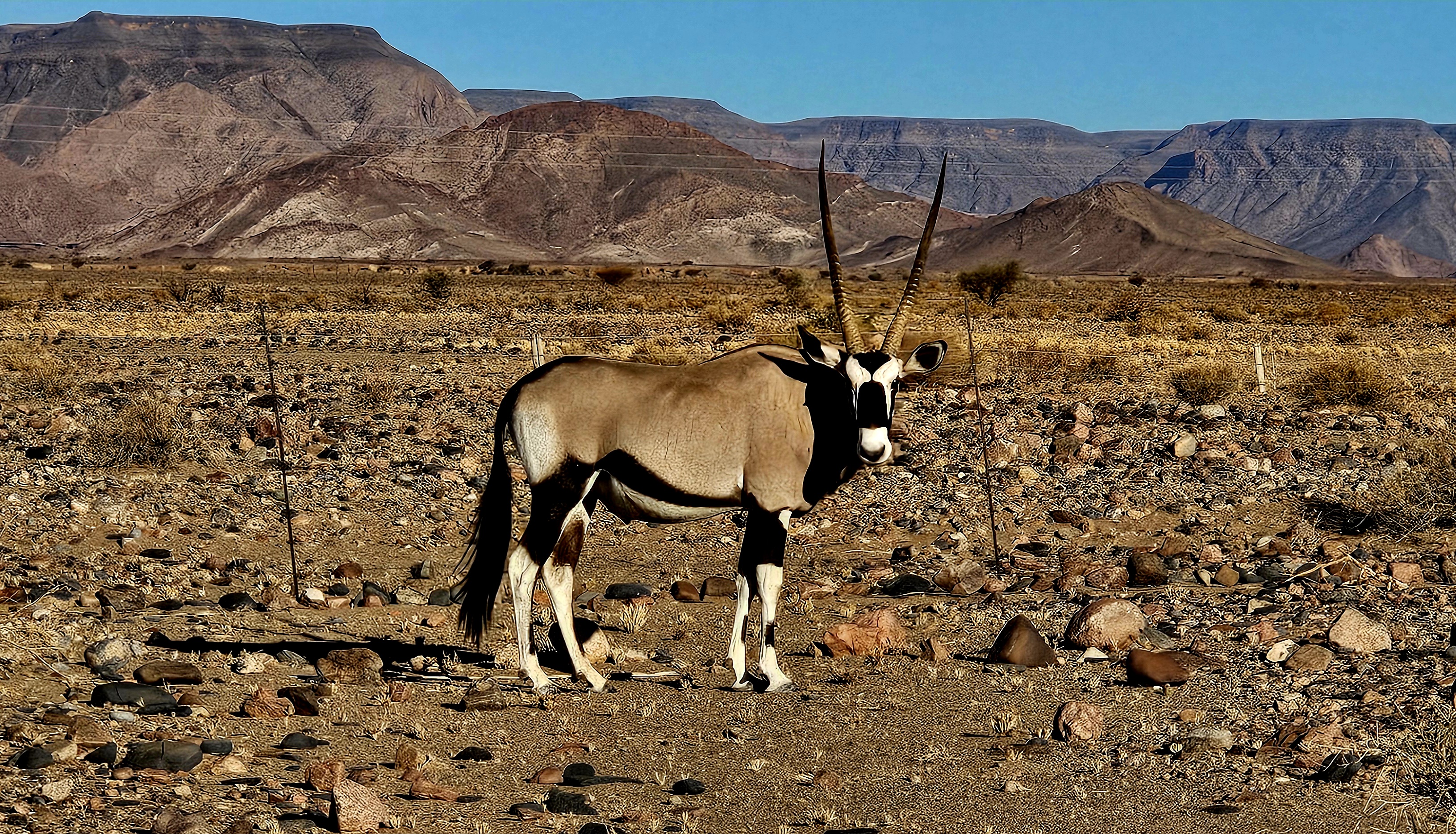
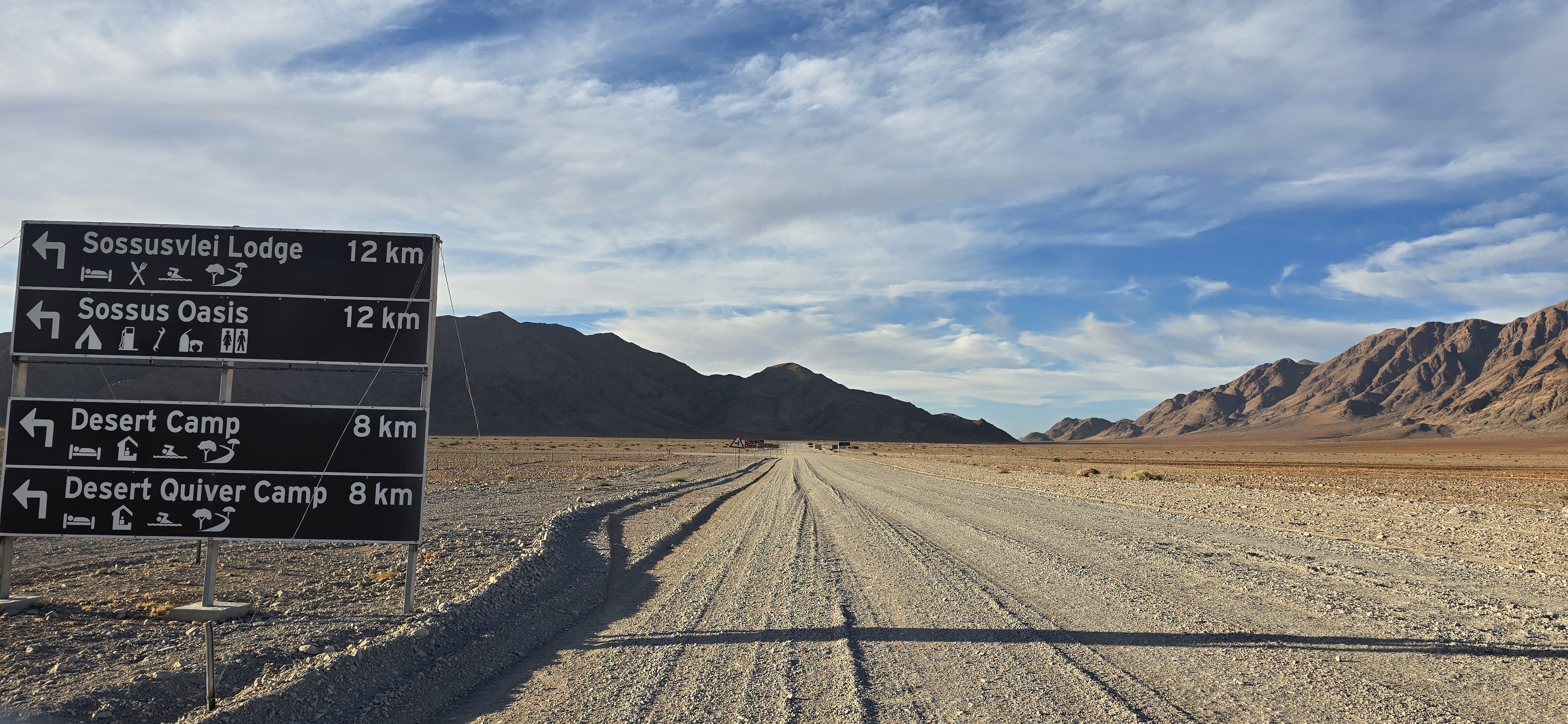
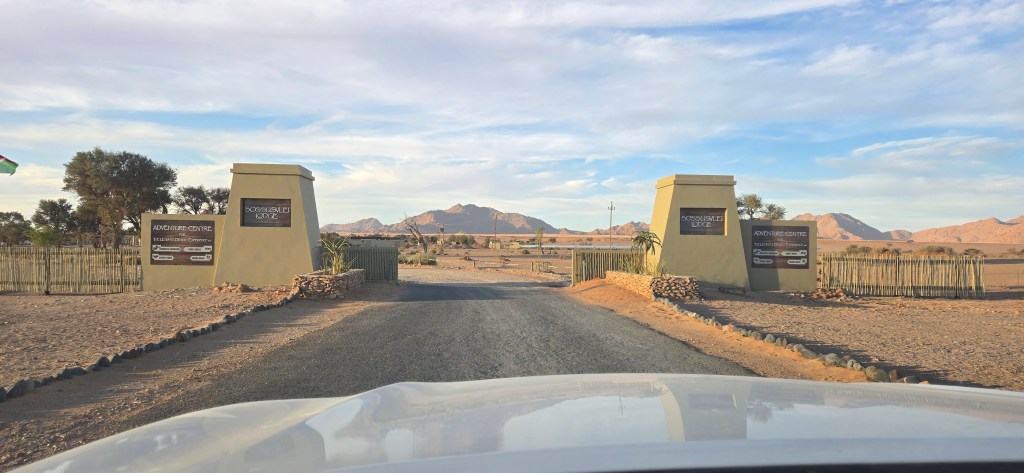
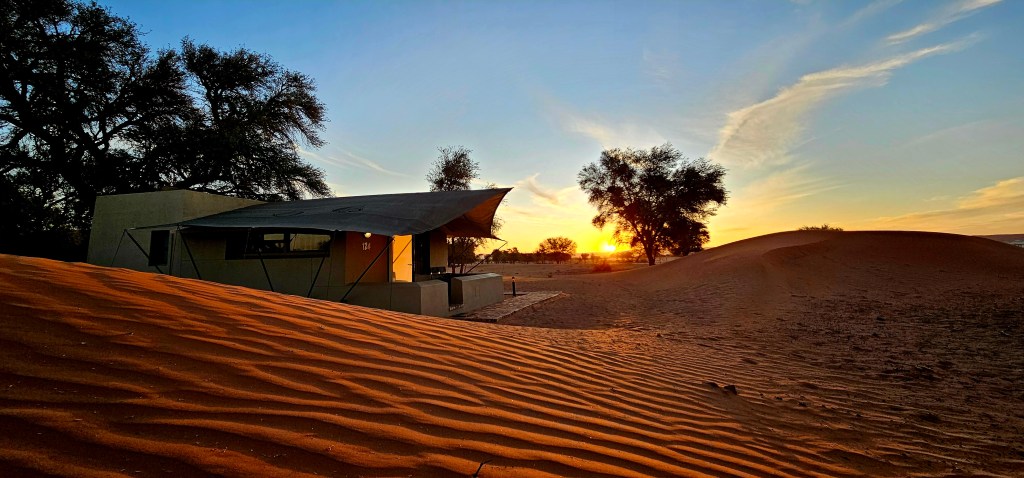
We arrived just before sunset at Sossusvlei Lodge, our home for the next two nights. Nestled right outside the park gate, the lodge is an oasis in the desert. Dinner was a scrumptious buffet under the stars, complete with a live grilling station serving up local delicacies. Tonight’s feature? Oryx and Eland—both majestic members of the antelope family, known for their graceful horns and ability to survive in harsh desert climates. The flavors were rich, smoky, and unforgettable.
After dinner, we grabbed our cameras and headed out to try and capture the Milky Way—one of Namibia’s gifts to night owls and stargazers. With almost no light pollution, Namibia is one of the darkest places on Earth, making it ideal for astrophotography. But the wind tonight had other plans. Long exposures were tricky, especially for someone like me—still a novice compared to Nabeel, but under his guidance, I’ve been learning a lot. Landscape photography is quickly becoming my new obsession.
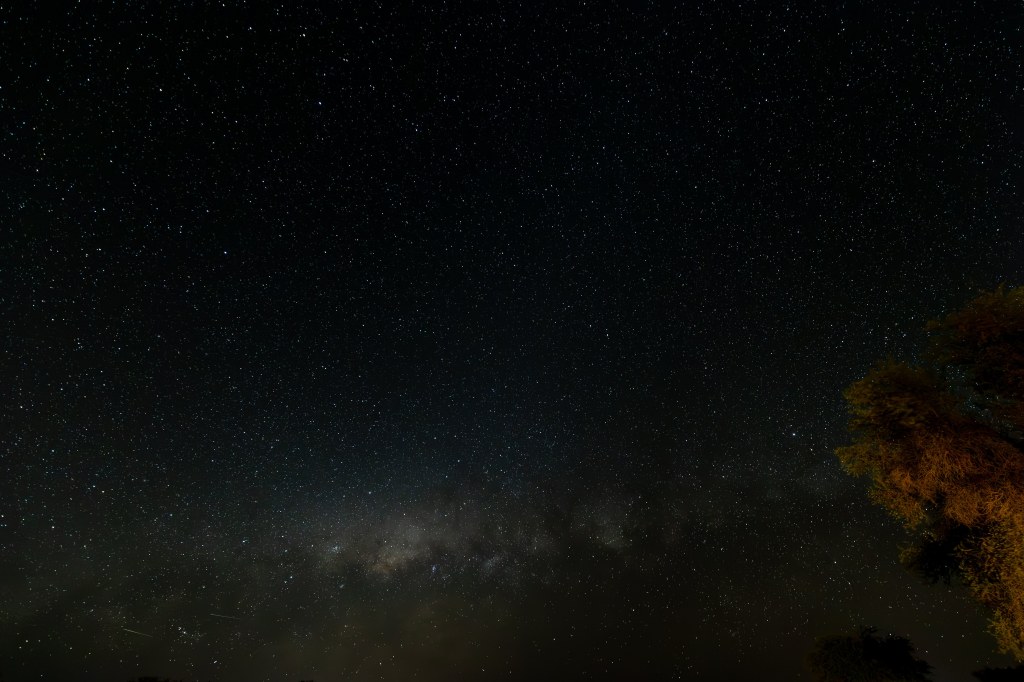
As we stood under the vast sky, jackals wandered nearby, their curious eyes glinting in the dark. The temperature dropped quickly—from the daytime 80s to the low 50s, reminding us why Namibia demands two wardrobes: one for scorching days and another for chilly desert nights.
Tomorrow, we finally explore the dunes of Sossusvlei—some of the tallest and oldest in the world. Can’t wait to see them light up with the sunrise.
 The Travel Chapters