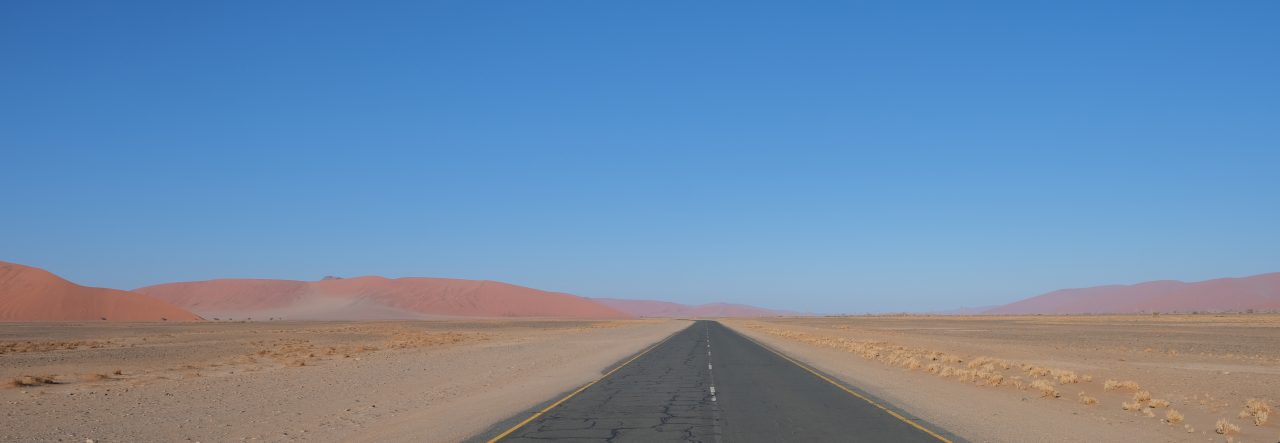
There’s a quiet excitement that builds each morning as we pile into the car, cameras prepped, lenses cleaned, and eyes scanning the savannah before the sun fully rises.
This morning’s route took us northeast from Okaukuejo, deeper into the western section of Etosha. We focused primarily on waterholes—essential lifelines in this dry landscape. No matter the species, water remains the universal pull, especially during the parched dry season when temperatures regularly hover around 100°F (38°C). We visited a string of waterholes including Olifantsbad, Salvadora, Reitfontein , each one with its own rhythm and its own set of visitors.
The terrain on this side of the park is more open, with less tree cover than the east, which means fewer ambush predators and more grazers. Herds of zebras shimmered in the morning light, their stripes dancing like optical illusions across the plains. Wildebeests trudged through the dust in tight groups, ears flicking with every whisper of wind. This region receives less rainfall compared to the eastern side, a difference we would feel firsthand the following day.
Fun fact from the road: As with any long journey, everyone slowly starts to find their role—an unspoken rhythm of who does what and when. I’ve somehow become the designated driver and part-time videographer, responsible for navigating dirt tracks, dodging springboks, and stopping (and staying stopped) on command. Zef rides shotgun as the animal spotter and DJ, keeping the vibe up with a solid playlist and a sharp eye for wildlife. Meanwhile, Nabeel and Nausherwan occupy the back seat with what feels like the full inventory of a photography store. Between their seven cameras and an endless collection of lenses, the back seat is a masterclass in framing, aperture, and the occasional “Wait, did you see that?” whisper that makes us all perk up.
Driving in Etosha isn’t like a regular road trip. You need patience. Real patience. You might be cruising one moment, and then ten seconds later be told to stop, reverse slightly, rotate the car just five degrees, and then not move an inch while someone captures a very specific frame of a giraffe drinking—or a lion yawning. I’ve learned a lot just from listening to them, even if I still can’t tell my ISO from my elbow.
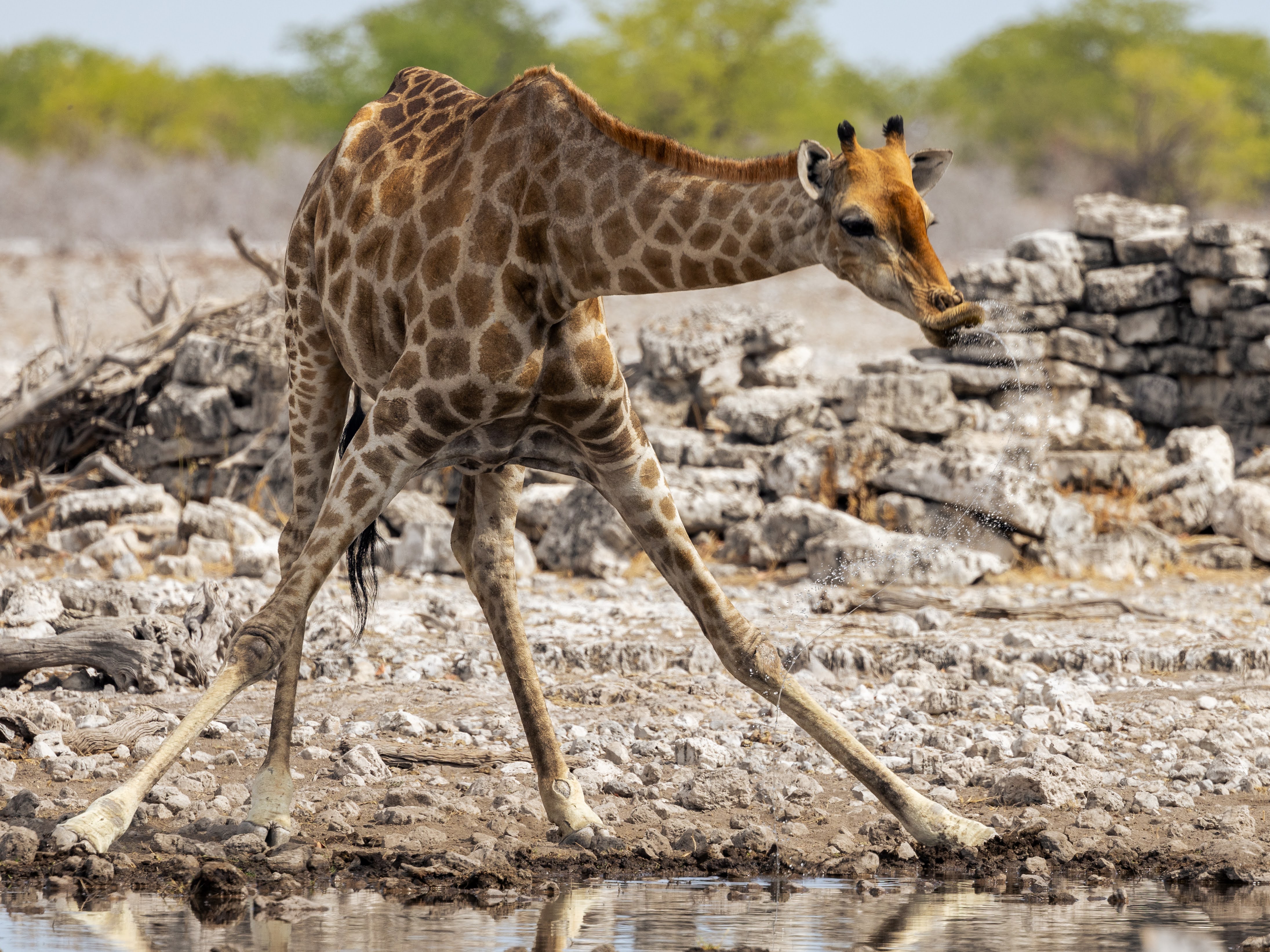

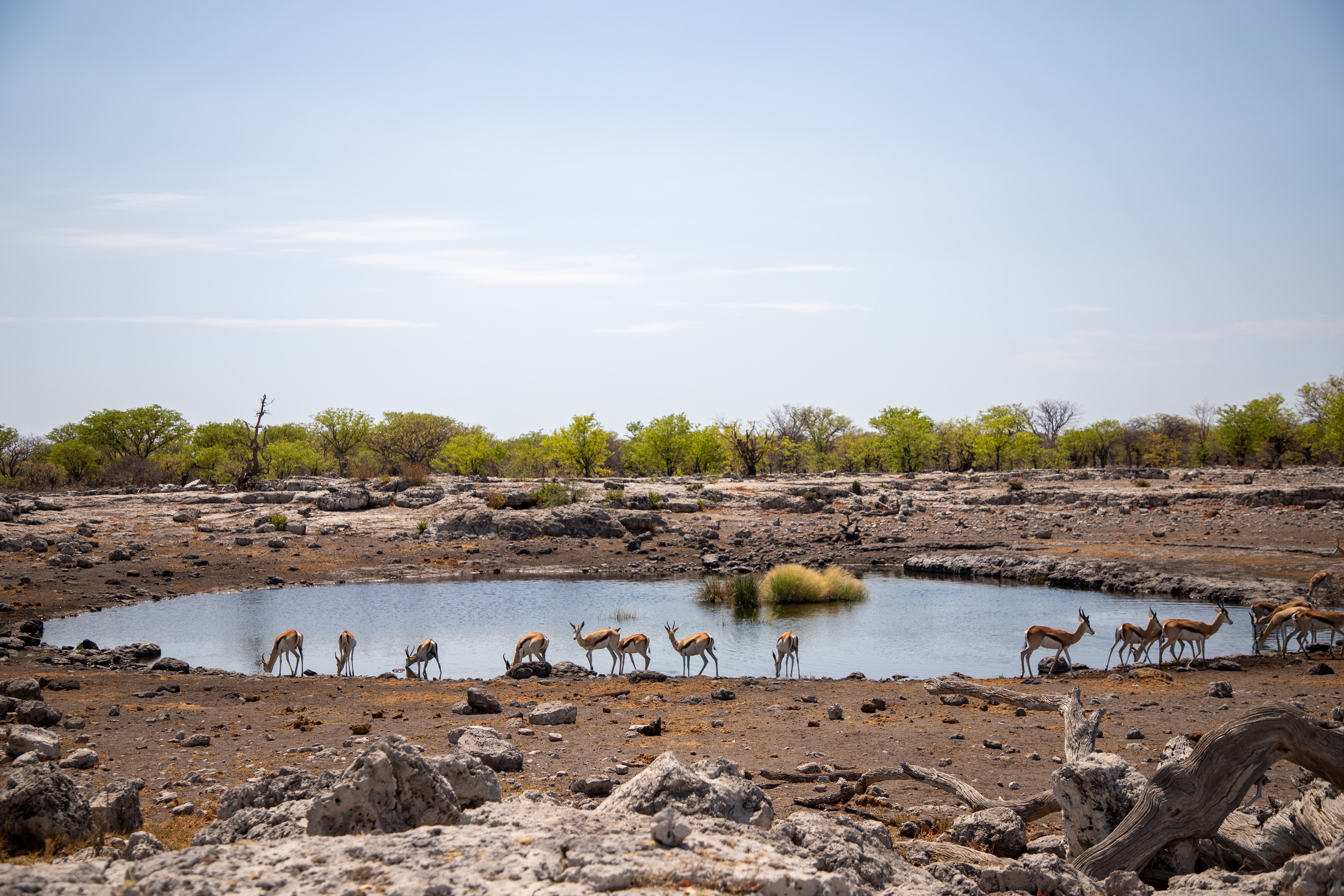
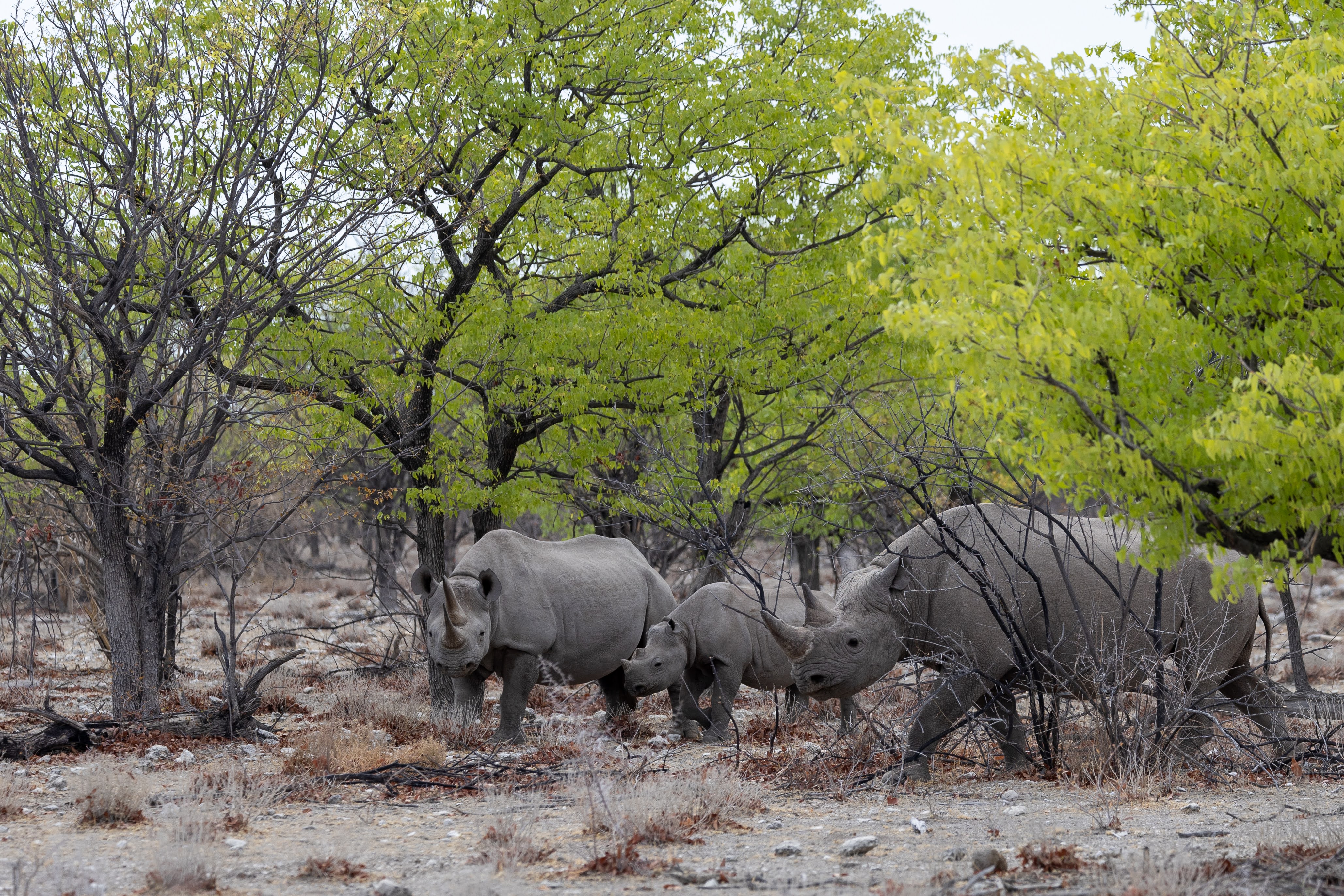

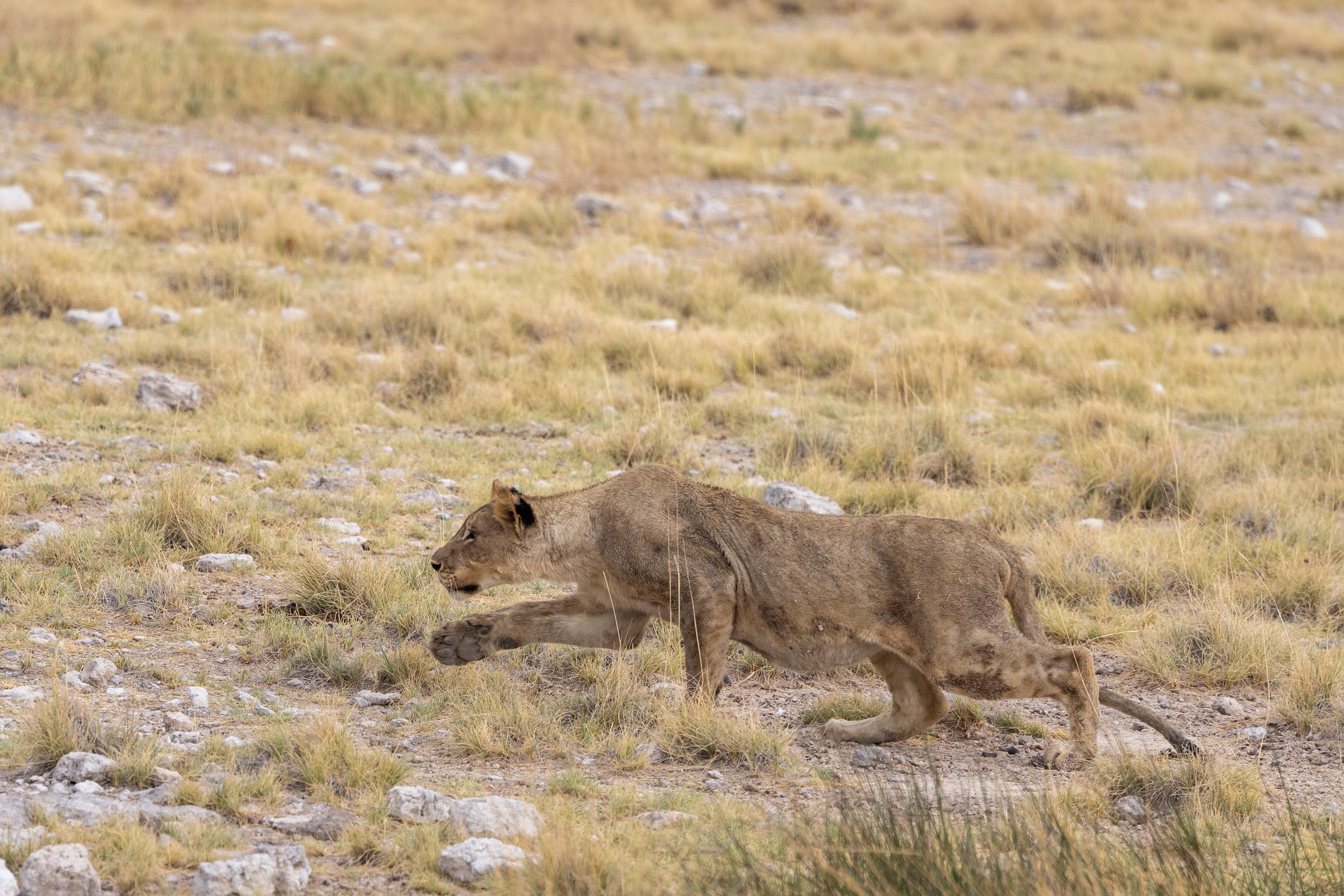
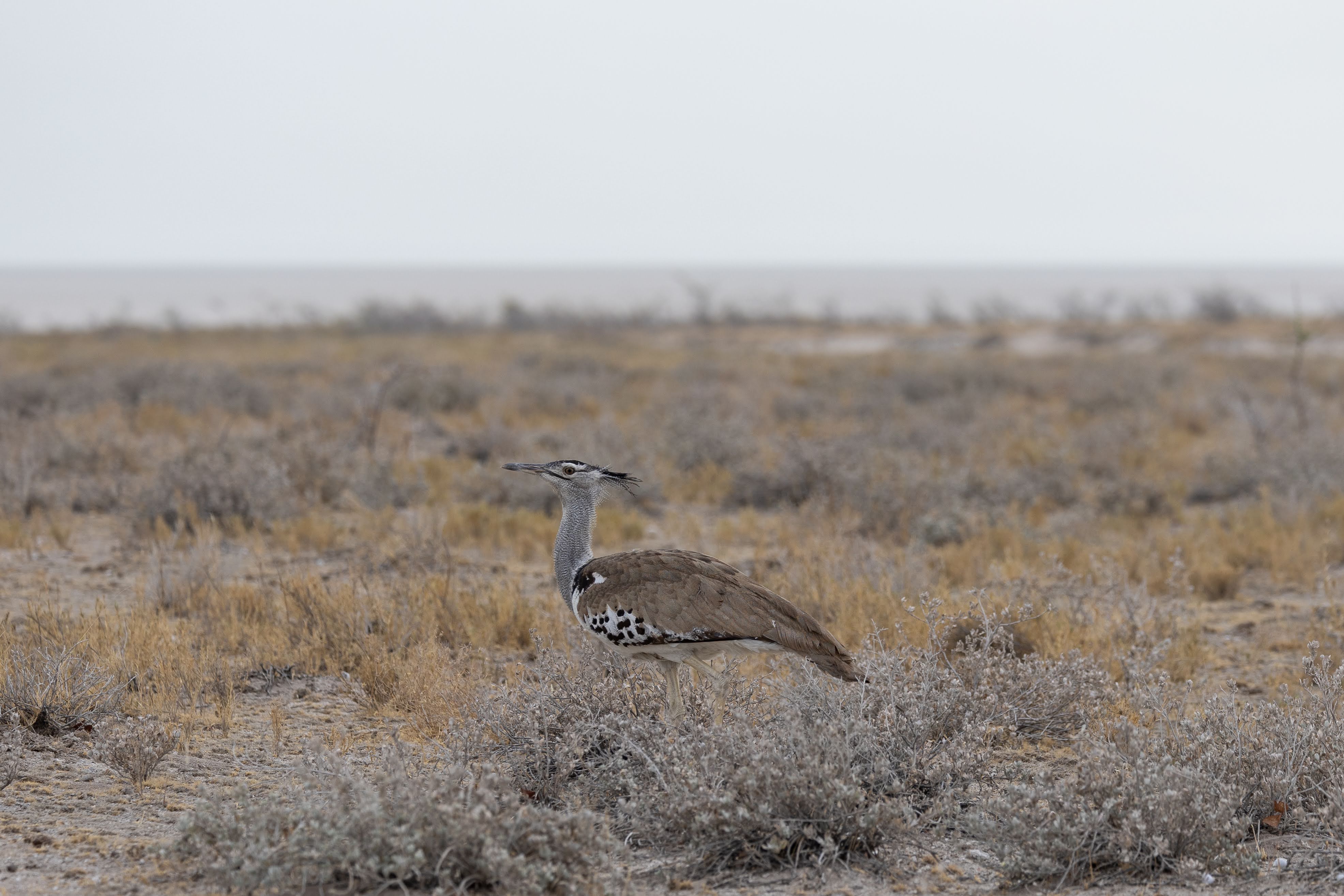
By mid-afternoon, the heat had become unbearable—dry, relentless, and energy-sapping. With no animals in sight and the thermometer tipping well over the century mark, we surrendered to the obvious: siesta time. Thankfully, our lodge was equipped with the ultimate desert luxury—air conditioning. The cold air blowing on my face was all the encouragement I needed to drift into a deep, blissful nap. The kind of nap that feels like you just blinked, and two hours passed.
Refreshed and rehydrated, we set out for our evening game drive with tempered expectations. The plan was to revisit a few waterholes and perhaps catch the lion pride from the day before still lounging around. As expected in this kind of heat, most animals were out of sight, seeking shade or simply conserving energy until the cooler dusk hours. The lions? Gone without a trace. A gentle reminder that safari sightings are never guaranteed and nature always has the final say.
Storm
As the sun dipped lower on the horizon, casting long shadows and bathing the landscape in gold, we began our drive back to camp. That’s when we noticed a massive dark cloud forming in the distance, exactly in the direction we were headed. The initial excitement of a potential rainstorm quickly turned into confusion—and then awe—as we realized we were driving straight into a sandstorm.
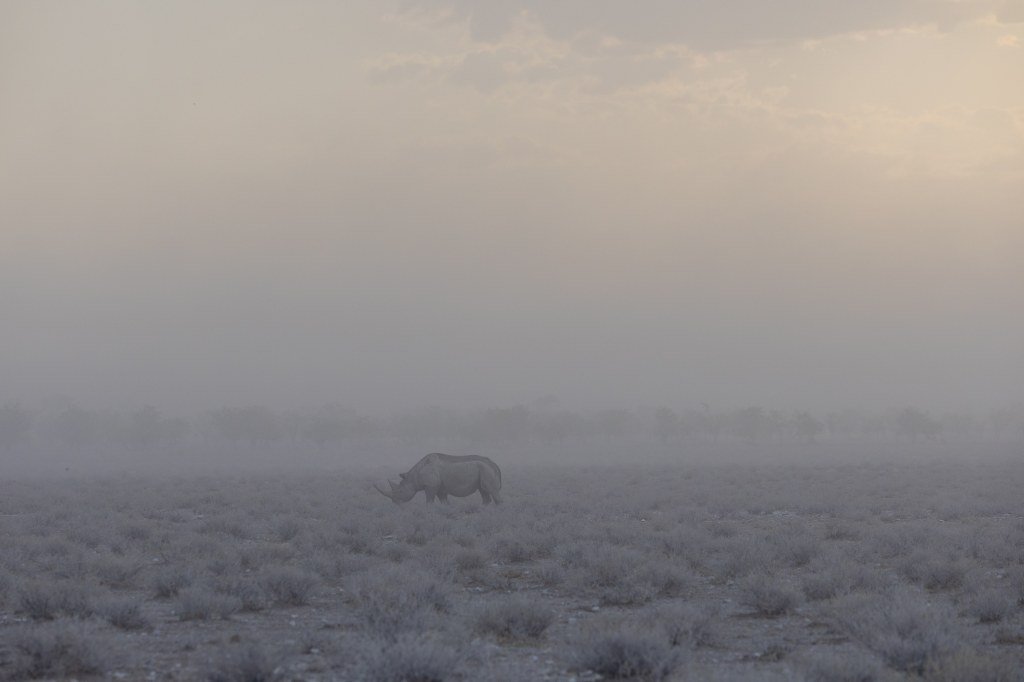
Visibility dropped quickly. We slowed to a cautious pace, dust swirling around us like a desert ghost, our vehicle rattling slightly from the gusts. It felt otherworldly.
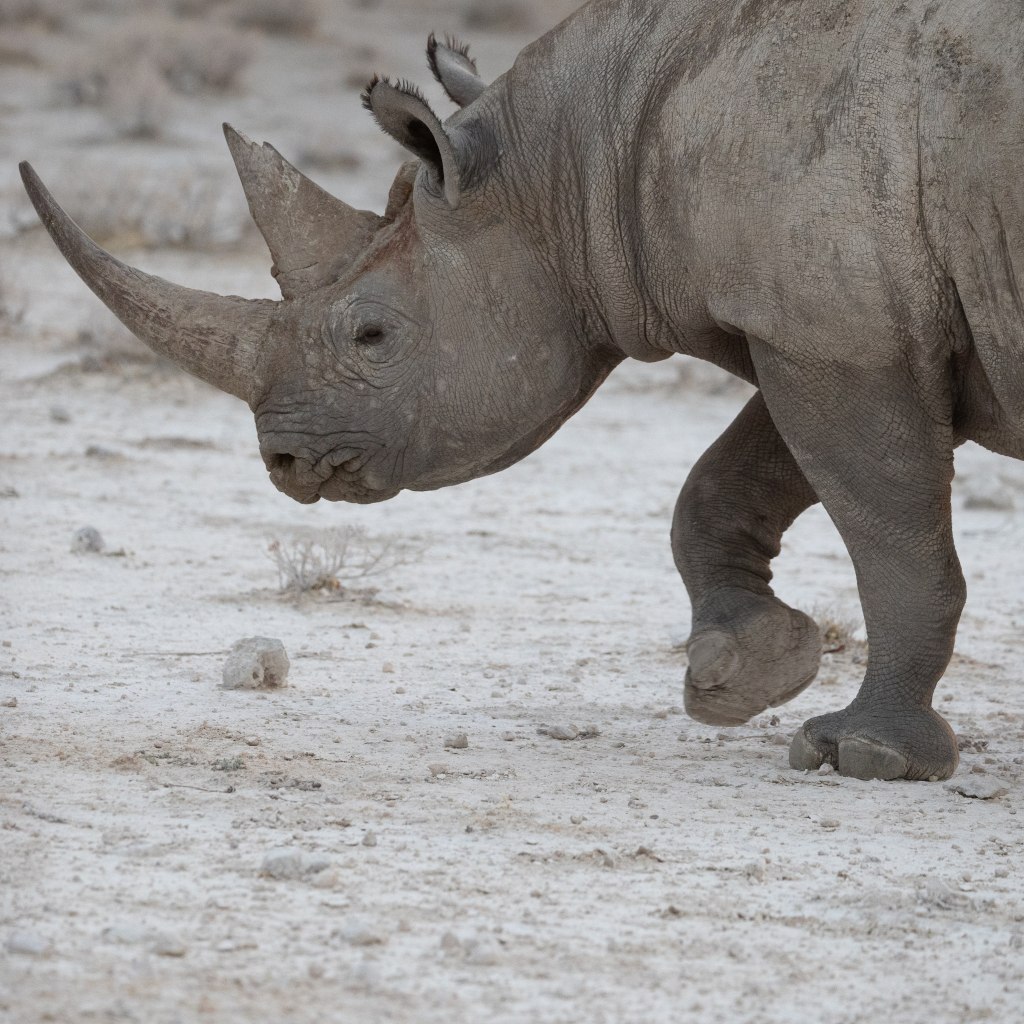
And just as we were adjusting to the chaos around us, the most surreal moment of the day unfolded: a black rhino, calm and undeterred, emerged from the haze—walking parallel to our car in the middle of the storm. There was a stillness in his movement that contrasted the madness of the wind and dust. For a good few minutes, we moved together, side by side, our paths aligned by sheer coincidence.
The scene was pure National Geographic: a hulking silhouette of a rhino framed by a setting sun and shrouded in swirling sand. Cameras clicked, jaws dropped. It was one of those moments you don’t plan for—but never forget.
Peter from Rundu
Dinner that night was served by Peter, a warm and gentle soul originally from Rundu—a riverside town in northern Namibia near the Angolan border. Like many others working in the tourism industry, Peter is a transient worker, part of the seasonal migration that supports Namibia’s thriving lodge and safari economy. He’s been with the camp since 2016, and his schedule is tough: three weeks on, one week off.
What truly struck me was his commute. Every three weeks, Peter hitchhikes—yes, hitchhikes—800 kilometers back home to see his family. This isn’t unusual here. In fact, hitchhiking is a common and accepted mode of transport for locals, a reflection of both the vast distances in Namibia and the limited access to private or public transport.
We spoke for a while during the quiet moments of dinner service. His eyes lit up when he talked about his family, and despite the distance, the work, and the hardship, Peter radiated a kind of grounded happiness. He was content, and that contentment stayed with me all evening. It reminded me how often we take our comforts for granted. Our complaints—WiFi being slow, a bumpy ride, or lukewarm coffee—pale in comparison to the realities others face with grace and humility.
As the stars began to scatter across the desert sky and the lodge settled into its nightly quiet, I found myself reflecting on Peter’s journey—both literal and personal. That evening, with a stronger-than-usual WiFi signal, I indulged in a little luxury of my own: catching up on the Formula 1 qualifying. Life is full of contrasts. As I sat there watching race cars clock blistering lap times from thousands of kilometers away, I couldn’t help but think about the race Peter runs every month—across the length of his country, across time away from family, across a reality most of us don’t experience. Our lives are shaped by convenience, speed, and instant access. His is one of patience, endurance, and deep-rooted connection. And somehow, he seems more at peace. In a world obsessed with acceleration, Peter reminded me that there’s strength in the slow and steady—especially when it’s powered by purpose.
 The Travel Chapters