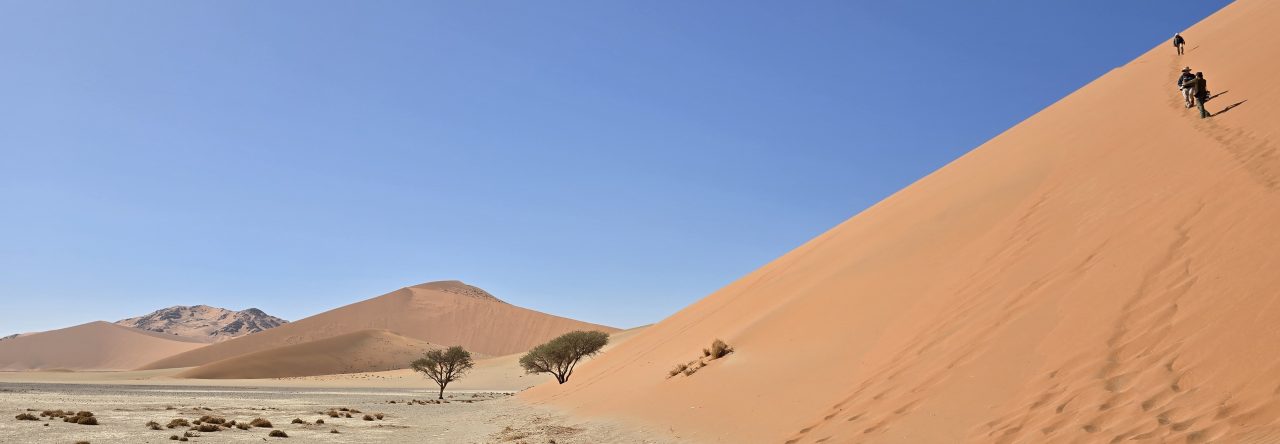
As the first light crept into the sky, we packed up our gear, loaded the car, and began the journey northeast. We were headed to one of Namibia’s crown jewels—Etosha National Park, a haven for wildlife and one of the most unique national parks in Africa.
The drive took us about six hours, depending on which gravel roads you end up taking. Let’s just say it wasn’t the smoothest ride. Between the dips and dust, we coined it our “Namibian back massage,”. But the scenery along the way made it all worthwhile.
We passed through small villages with traditional homesteads made from mud and thatch. Children waved from the side of the road, goats and donkeys casually wandered across our path, and every now and then, you’d spot a makeshift fruit stand selling mangoes or cold drinks under a shady acacia tree. Life here moves at a different rhythm—slow, grounded, deeply connected to the land.
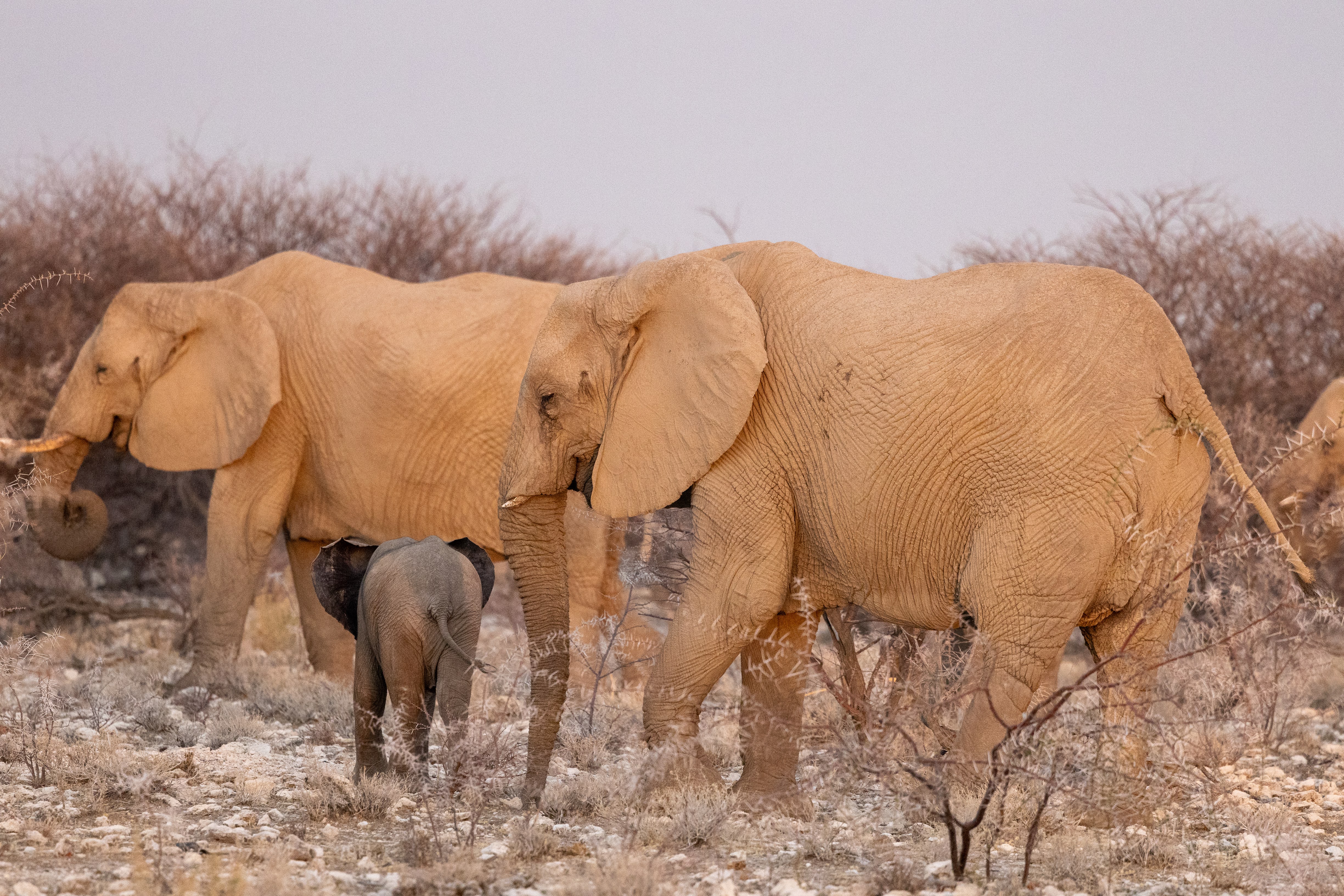
As we approached Etosha National Park, the landscape transformed again—flat expanses, salt pans, and pockets of scrub and woodland that seemed to stretch endlessly. The name Etosha means “Great White Place,” a nod to the vast salt pan that dominates the park. It’s one of the few places in Southern Africa where you can see massive herds of wildlife—elephants, lions, zebras, giraffes, oryx, and rhinos—all against the surreal backdrop of an ancient lakebed.
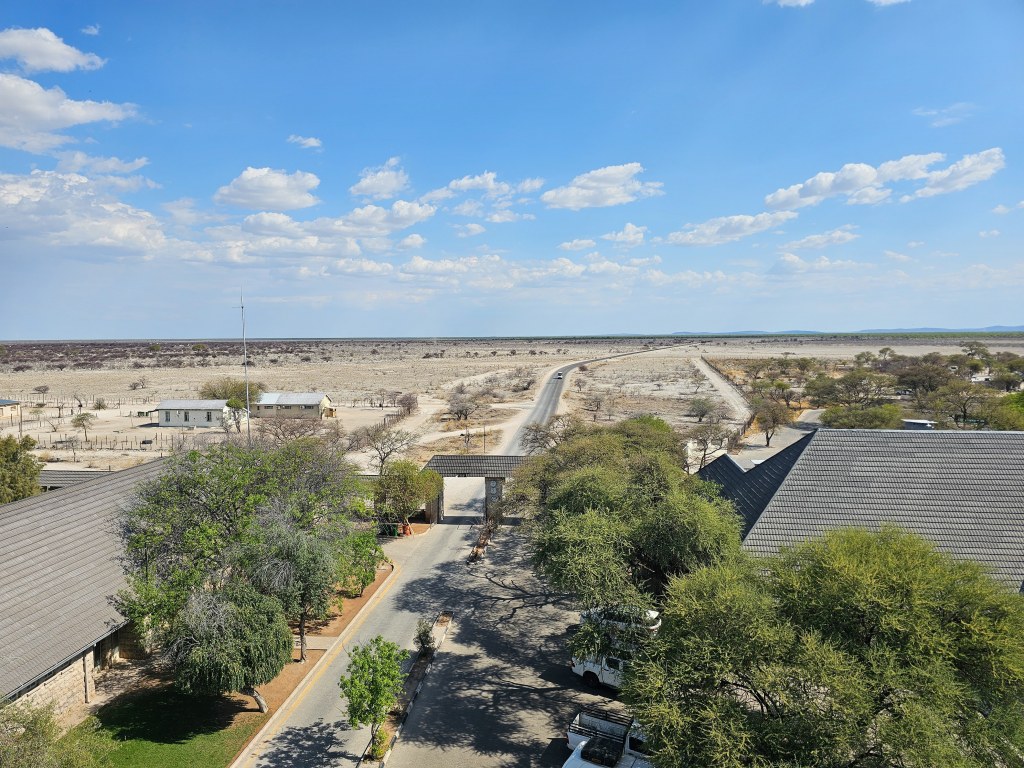
We’d decided to stay inside the park at Okaukuejo Camp, the oldest and most iconic of the park’s camps. Okaukuejo started as a German military outpost in 1901, and over time evolved into a key research and tourism hub. Today, it’s a mix of rustic charm and modern amenities, with stone chalets, a restaurant, and—most importantly—an incredible floodlit waterhole that brings in wildlife around the clock.
In the middle of the camp stands a historic watchtower, originally used as a lookout during colonial times. We climbed it for panoramic views of the surrounding plains, which glow golden at sunset and shimmer in the heat during the day.
And just like that, a new chapter of the trip had begun. From the desolate beauty of Damaraland to the raw energy of Etosha, Namibia was continuing to surprise and impress us with every turn of the wheel.
After a rejuvenating afternoon siesta—a must when you’re staying inside Etosha’s dry, sun-drenched expanse—we set off for our first proper game drive. For those unfamiliar, a game drive is essentially a safari—a vehicle expedition across a national park to spot wildlife in their natural habitat. It’s a bit of a waiting game mixed with the thrill of discovery. And in Etosha, the anticipation is half the fun because you never quite know what you’ll stumble upon.
Etosha National Park is massive, spanning over 22,000 square kilometers, and is divided into several zones. Given our limited time this evening, we opted to loop through the western part of the park. It didn’t take long before we started spotting animals with clockwork precision—springboks gracefully bounding across the plains, herds of zebras creating that black-and-white mirage effect against the dusty backdrop, giraffes stretching impossibly tall as they browsed treetops, and even a few shy kudu peeking through the brush.
But the real highlight of the drive? A pride of lions sprawled under the shade of a thorn tree, clearly unimpressed by our presence. We parked at a respectful distance, camera lenses ready, hoping for some action. But true to their nature, the lions barely flinched. We waited nearly 30 minutes, whispering and repositioning for better angles, but they had no intention of moving.
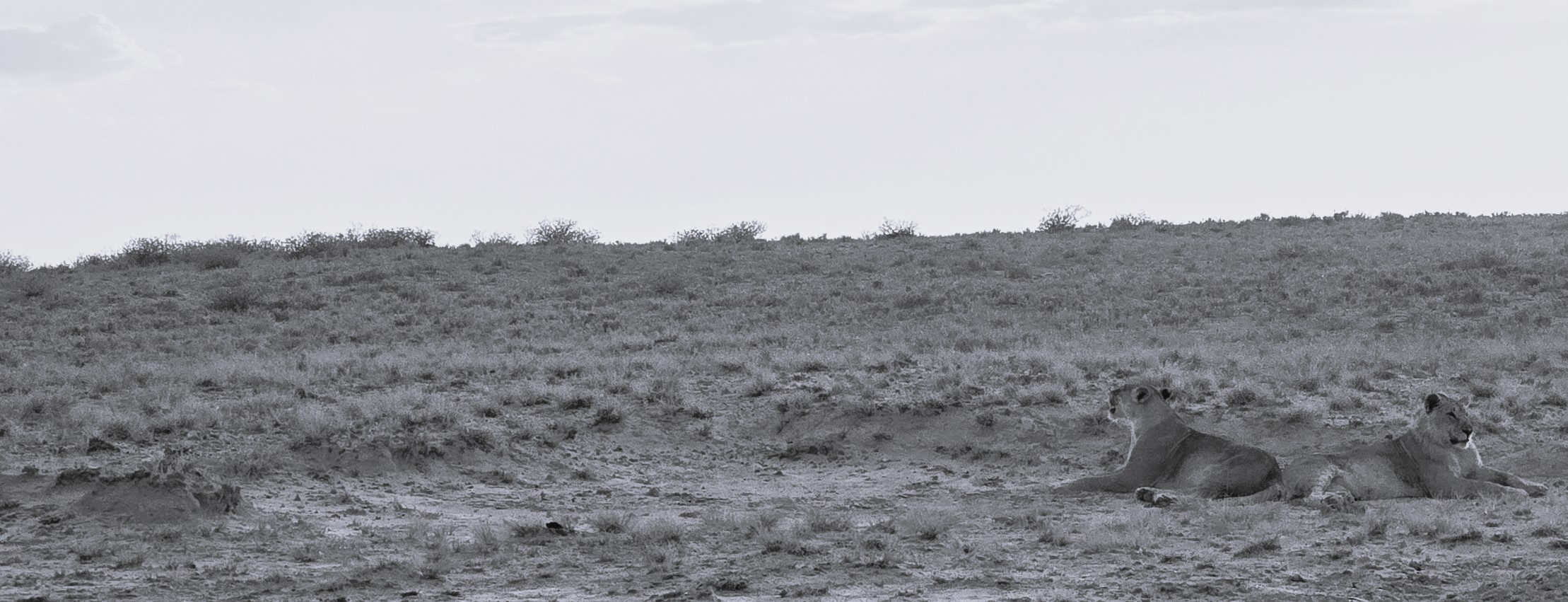
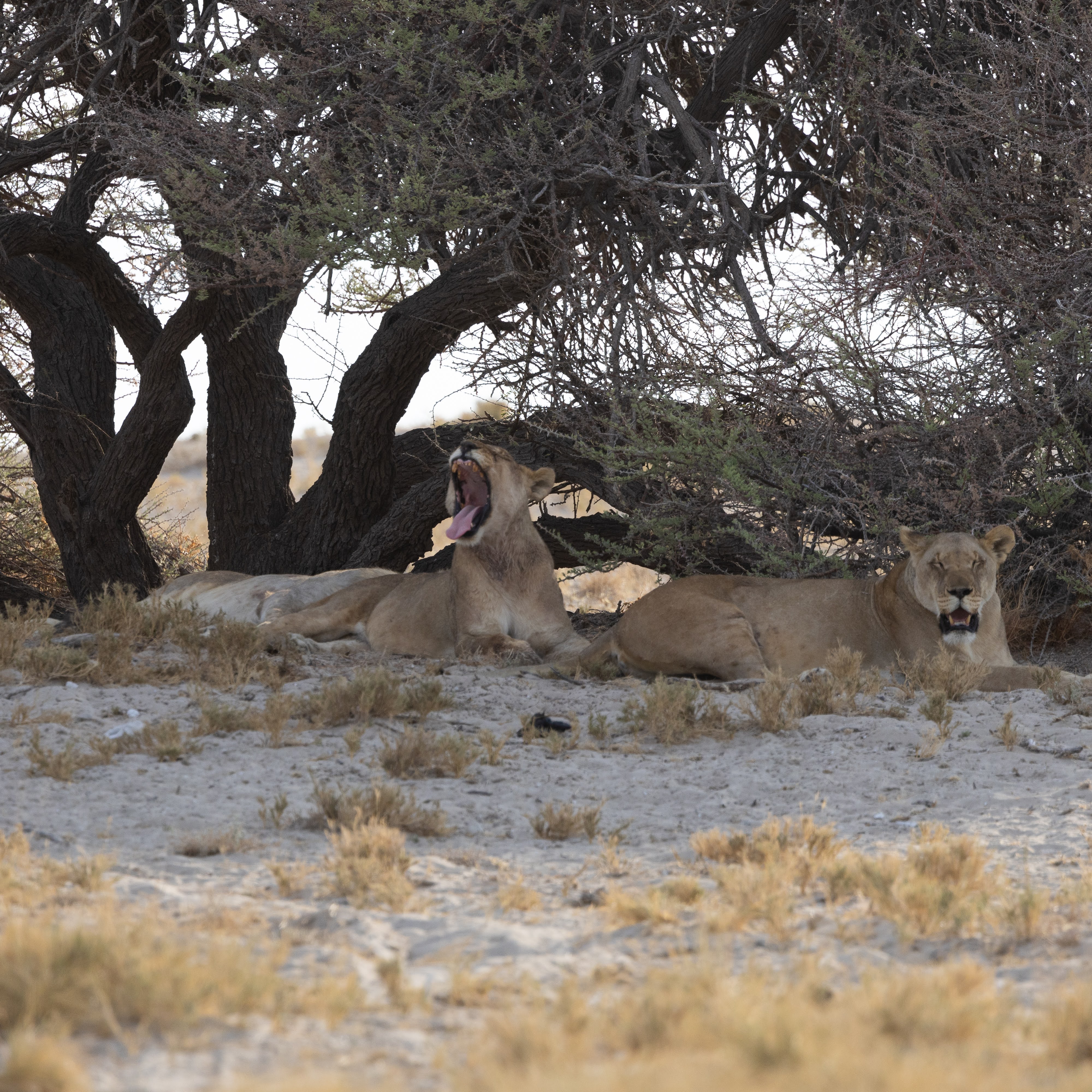

Fun fact: lions are, hands down, the laziest cats on the savannah. They can sleep or rest for up to 20 hours a day, especially when the sun is blazing. It’s the lionesses who do the majority of the hunting and care for the cubs, while the males focus on guarding the territory and—if they’re dominant—expanding their pride. Their regal posture might fool you into thinking they’re constantly on the prowl, but in truth, they’re more like house cats with a really dramatic PR team.
It was one of those surreal moments that stays with you long after you leave. Namibia just keeps finding new ways to surprise us.
We made our way back to camp just in time for a hearty meal in the main dining area of Okaukuejo. There’s something comforting about a warm meal after a long day out in the bush—stories flowing, plates being passed around, and that gentle hum of travelers exchanging highlights from their own safaris.
After dinner, most guests head over to the floodlit waterhole, which truly separates this park. We followed the pack. Guests gather silently on benches around the perimeter, wrapped in jackets and holding mugs of tea or glasses of wine, waiting to see what might arrive. Under the cloak of darkness, animals would come in view, drink water before vanishing back in the wild. The highlight for us that evening were the giraffes and rhinos—just meters away, no safari vehicle required.
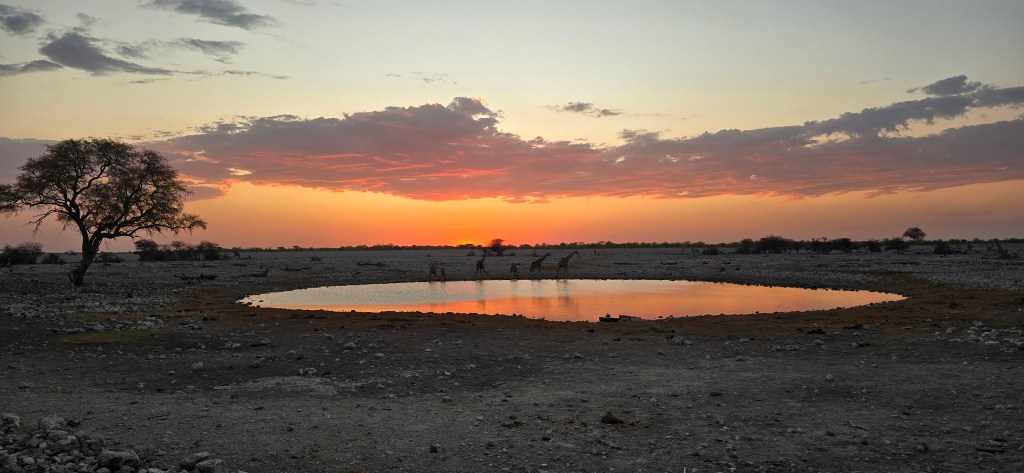
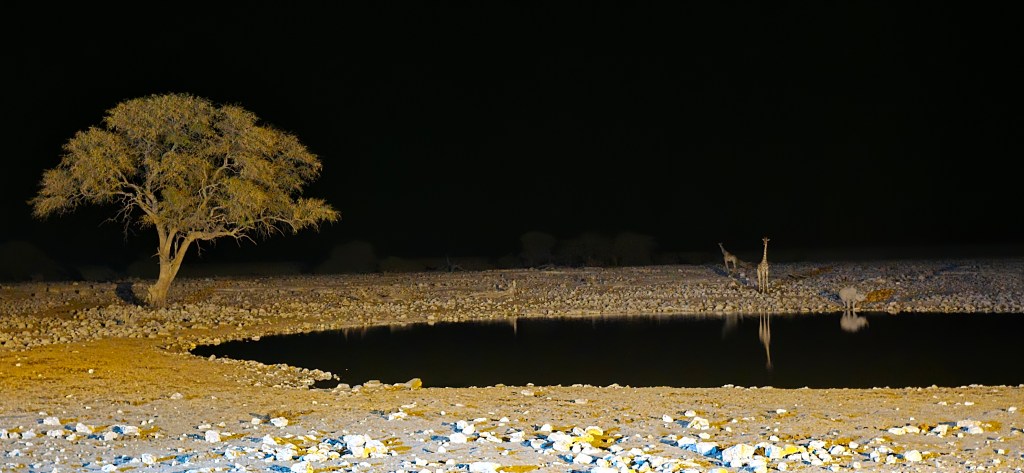
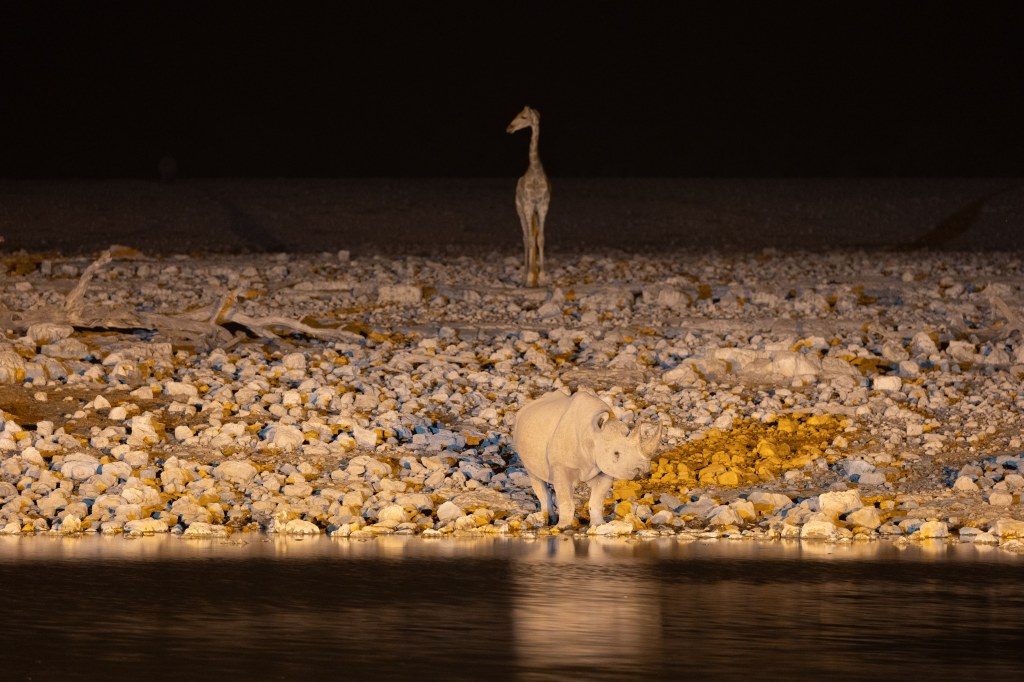
After the ‘show’, it was time for some much-needed R&R. In a place where the wildlife roams freely and time slows down, rest and recharge take on new meaning. For us, it usually meant gathering in the camp’s main lobby—one of the only spots with a semi-reliable Wi-Fi signal. Every evening had its own quiet rhythm. I’d spend time catching up on F1 news and my travel notes, trying to capture each detail while it was fresh. Nabeel would dive into updating his blog, Nausherwan meticulously edited his best shots from the day, and Zef, true to form, would settle into a book—completely immersed and undisturbed by the buzz around him.
Of course, no evening was complete without doing the behind-the-scenes prep that every traveler knows too well: checking memory cards, backing up photos, making sure cameras and drones were charged, and double-checking that there was enough storage for another day’s worth of magic.
 The Travel Chapters