
The cool morning breeze carried a sense of anticipation, and we knew this route south—toward some of the bigger waterholes—could offer a final grand chapter to our Etosha journey.
We aimed for well-known waterholes that act as essential life sources during the dry season, drawing in everything from elephants and antelope to predators lying in wait. If you want to see nature at its rawest, this is the place.
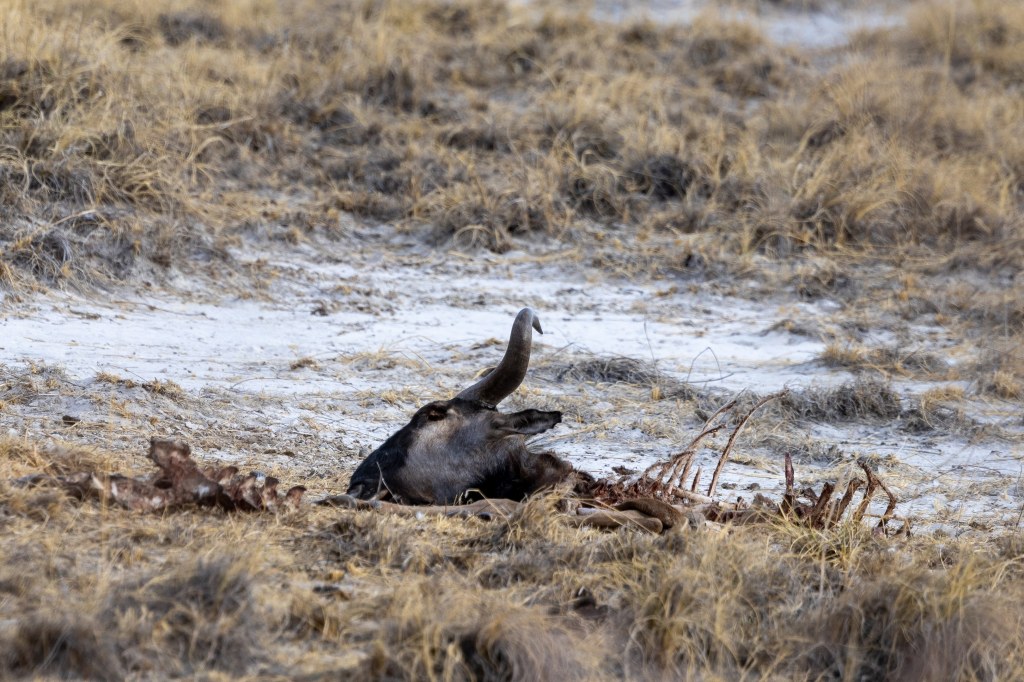
As we slowly cruised along the dirt roads, our first encounter was a powerful reminder that this isn’t a wildlife documentary—it’s real life. Just off the side of the road, partially hidden in the grass, lay the carcass of a wildebeest. Nature’s reality check. The body looked like it had been picked over by scavengers, possibly the aftermath of a lion hunt from a few nights ago. The leftover bones, and the silence that hung in the air around it, brought a quiet mood to the car. Life and death are two sides of the same coin out here.
A few minutes later, we were lifted from the heaviness of that moment with a rare and exciting sight—our first eland. For those unfamiliar, the eland is the largest antelope in Africa, and surprisingly shy despite its size. It stood there momentarily, muscular and majestic, before trotting off into the brush. Definitely a top-tier sighting.
Later on, we pulled up to a waterhole bustling with activity. Elephants splashing, zebras cautiously approaching, oryx and springbok dancing along the edges. In the distance, a solitary lioness lay low in the grass, scanning the scene—no doubt sizing up her odds. She wasn’t in action mode, but she was very much present, reminding us that peace at a waterhole is always temporary.
We soaked it all in. The open landscape of this part of Etosha gives you sweeping views and long sightlines, perfect for scanning the horizon. But by late morning, the heat began to settle in. The animals disappeared into the shadows, and we took the hint to start heading back.
On the drive back to camp, there was little conversation. Everyone was lost in their own thoughts, reflecting on the cycle of life we’d just witnessed—from a wildebeest’s final moments to an eland’s shy gaze, and the many layers in between.
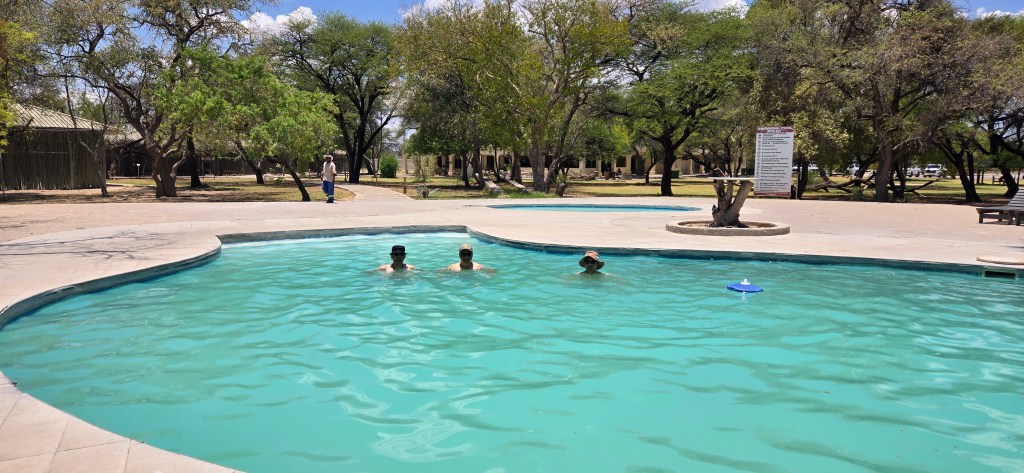
After a morning full of excitement, we decided to jump into the pool to cool off during the heat of the afternoon. The water was a welcome reprieve, and we all took a few moments to relax and recharge. Of course, it wouldn’t be a proper afternoon in Namibia without a nap to beat the midday heat. We all dispersed to our rooms for a little downtime.
Before our evening game drive, I couldn’t resist stepping out to explore a bit more. I headed over to the iconic Namutoni Fort, a historic German fortress at the edge of the camp. I climbed the tower, which offered a 360-degree view of the dry, vast landscape. From the top, the endless stretches of Etosha National Park unfolded before me.
It was a perfect moment to reflect on just how expansive and wild this land truly is.
The evening game drive was filled with memorable moments, showcasing the raw beauty and harsh realities of nature. Our first sighting took us to Fischer’s Pan, where we were fortunate enough to witness a local pride of lions—six lions in total, with two males and four females. They had just finished devouring a good meal, and true to their lazy nature, we spent the next hour watching them in various states of relaxation—short strolls, rolling in the grass, and basking in the fading sunlight. Despite the feast, they seemed far more interested in napping than in any further action.
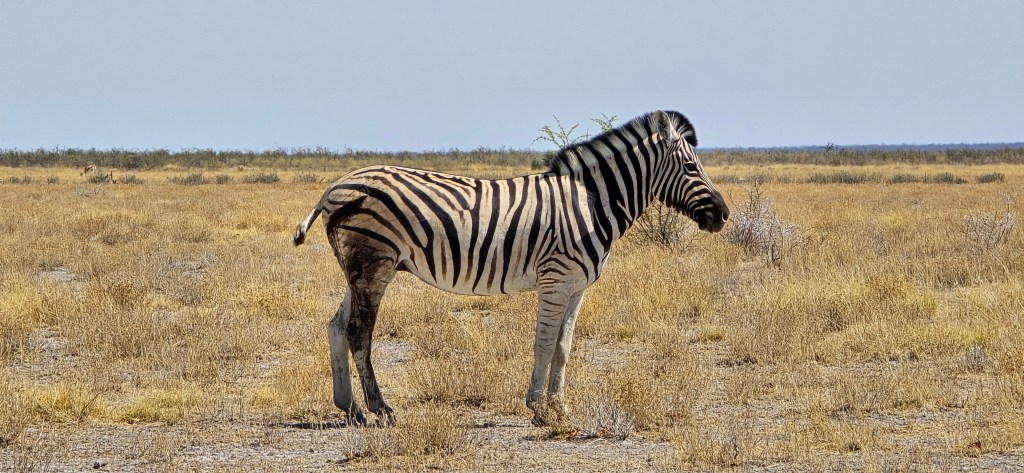
The next sighting was both powerful and sobering: an injured lone zebra. In the wild, this is nature’s brutal reality—the weak are often left behind to ensure the safety of the herd. There was no herd to be seen around him and given his injured back leg, his days were likely numbered. It was a poignant reminder that survival in these harsh environments often comes at a steep price.
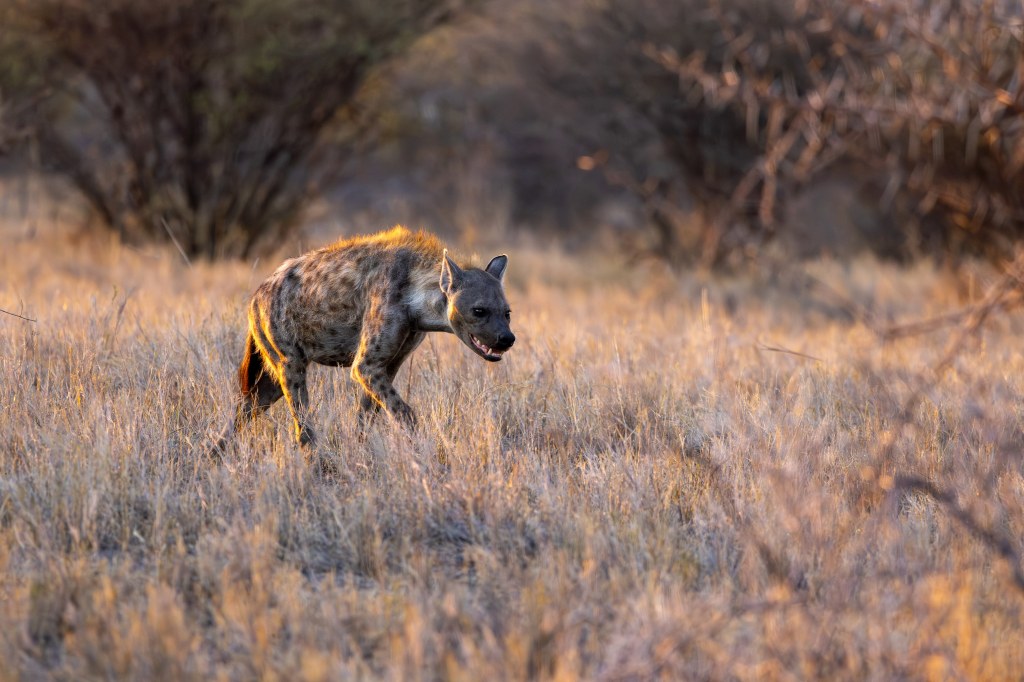
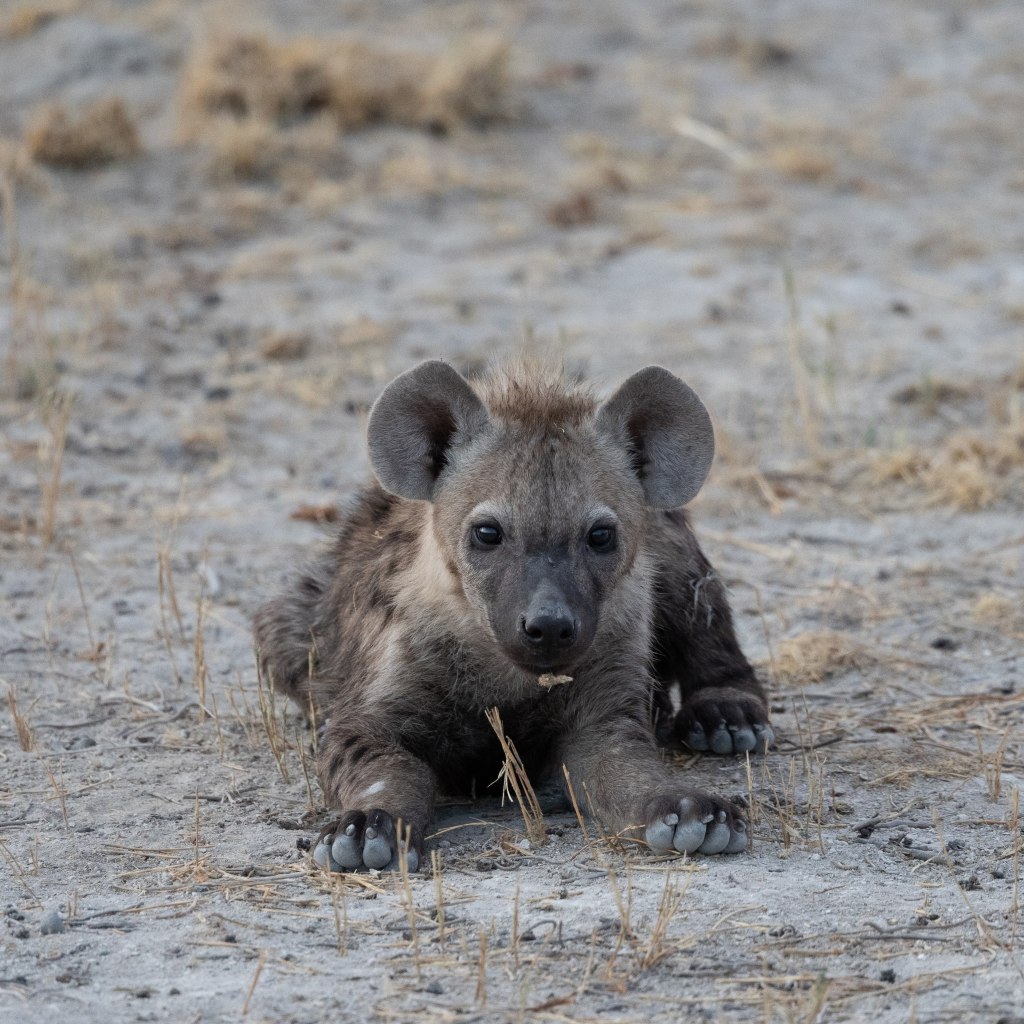
As we continued on our drive back to camp, we spotted a hyena—its notorious, menacing appearance made it hard not to view it with a bit of suspicion. Hyenas are known for their strength and cunning, and seeing them in their natural habitat only reaffirmed their fearsome reputation. Not far behind, we also spotted another hyena, this time with a cub, a touching reminder of the complexity of the animal kingdom and the cycle of life.
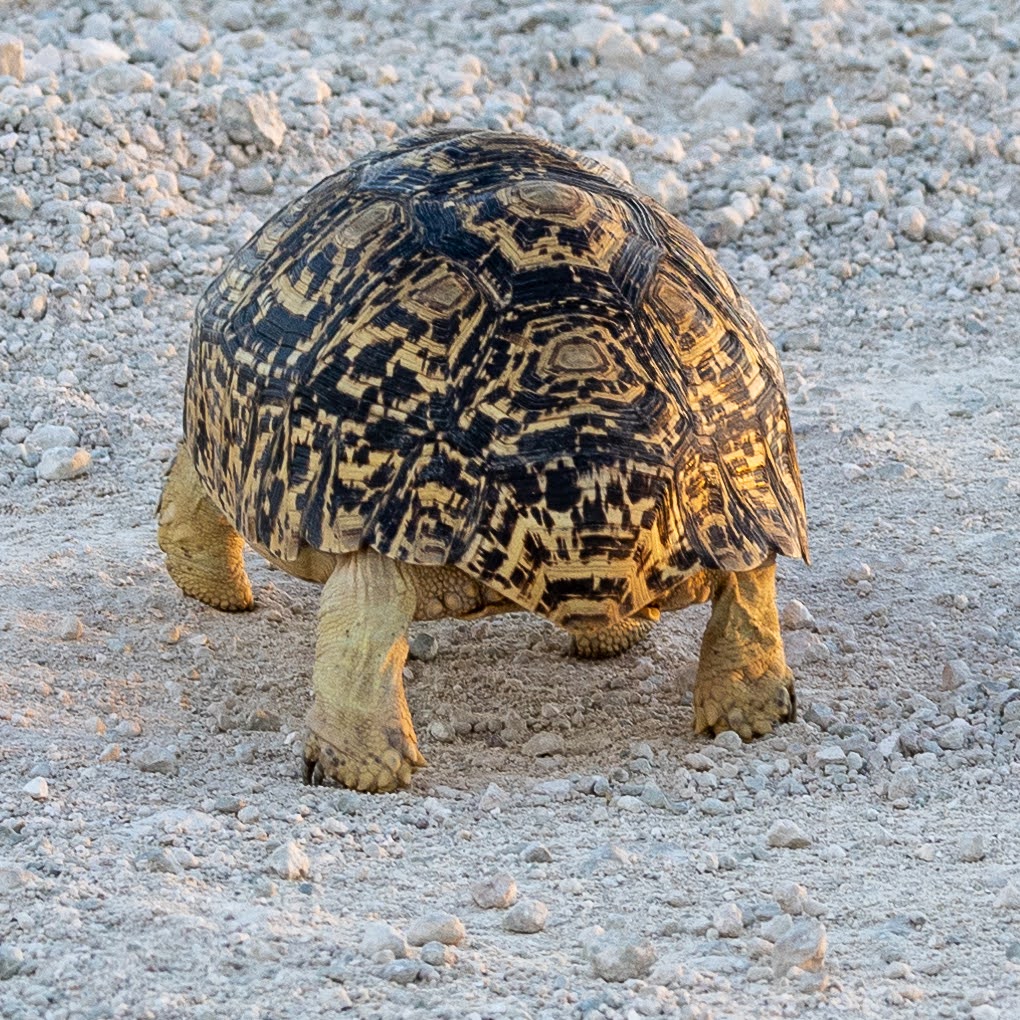
Our last animal sighting was a hardshell tortoise crossing our path. It was a small, quiet moment, yet it struck me deeply. While elephants and lions dominate the land, countless other creatures, from insects to reptiles, call this place home. They thrive under the surface, in the air, and in the shadow of the more imposing predators. It was humbling to realize how much life exists that goes unnoticed.
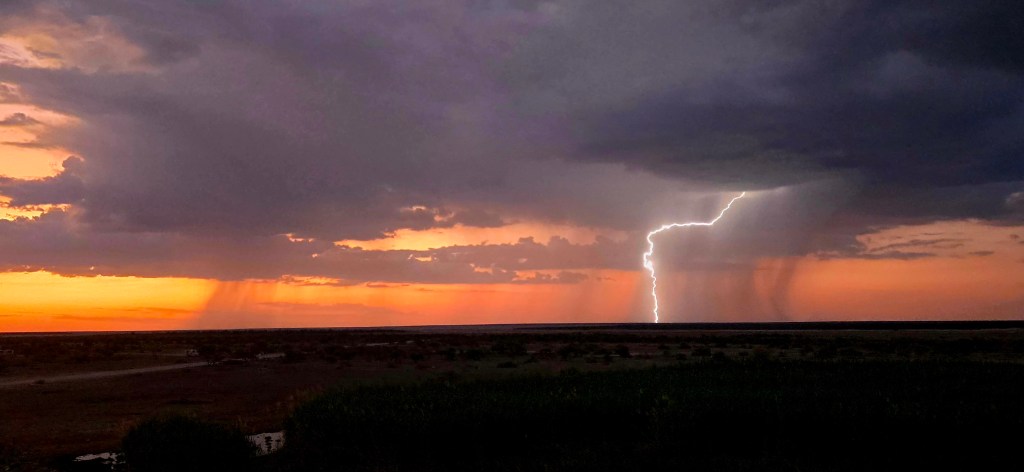
As the day came to a close, we were gifted one last spectacle: the golden hour, when the African sunset painted the sky in deep oranges and purples. The vastness of the horizon made the sky feel even bigger, almost like it was stretching to infinity, and for a moment, it was easy to forget everything else but the beauty of the world around us.
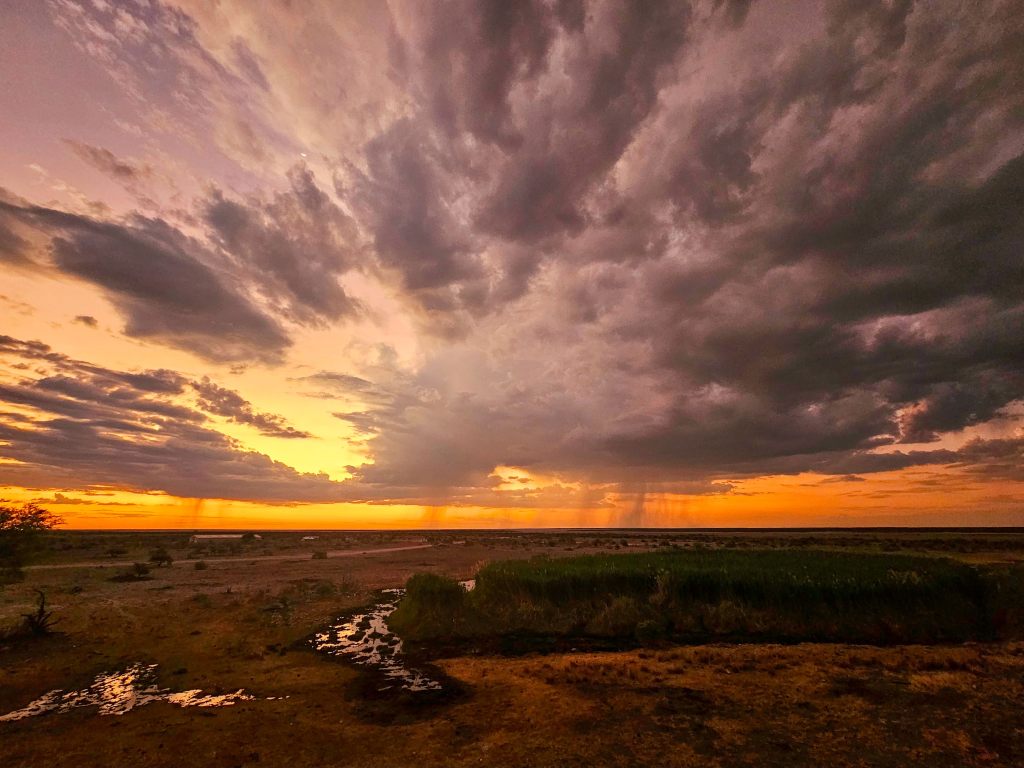
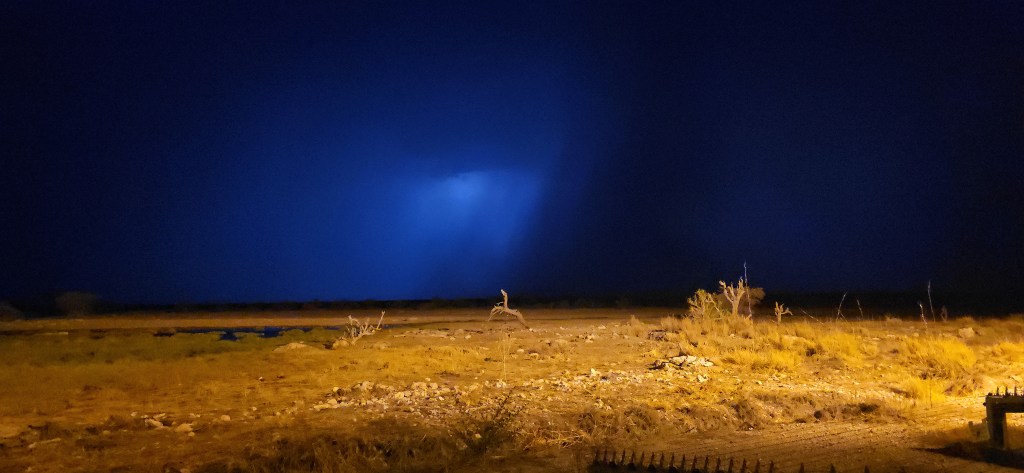
That night, the skies over our camp erupted in a dramatic display of thunder and lightning. It was the unmistakable herald of the coming rainy season, which typically begins in November. For the next five to six months, this season would breathe new life into the arid landscape, offering much-needed respite. The rain would transform the land: grass would spring up, providing sustenance for the grazers, and trees would begin to sprout fresh leaves, nourishing the ecosystem and allowing life to flourish once again. It was a fascinating reminder of the cyclical nature of life in the wild—where every season brings its own challenges and triumphs, and the land always finds a way to adapt.
We watched the storm roll in, listening to the rumble of thunder echo across the vast plains. The cool breeze, followed by the gentle patter of rain, gave the whole night a surreal, almost magical atmosphere. It felt as though the land itself was preparing for a fresh start, ready to regenerate and continue its ancient rhythms.
 The Travel Chapters